The Florida Keys

GET YOUR Florida STATE FISHING LICENSE HERE.

Fishing in Florida: Top 10 Destinations, Species & Travel Guide

Florida is one of the most complete fishing destinations in the world. With access to the Atlantic Ocean, the Gulf of Mexico, inland waterways, and tropical backwaters, it offers an unmatched range of fishing environments within a single state.

What separates Florida from nearly every other state is not just diversity—it’s consistency and scale. You can target inshore species like redfish and snook in the morning, head offshore for tuna or mahi later in the day, or fish freshwater lakes for bass without ever leaving the state.

For many anglers, Florida isn’t just a destination—it’s multiple fisheries stacked into one.

How Fishing Works in Florida (What to Know Before You Go)

Fishing in Florida is driven by three key factors: water type, seasonal movement, and conditions.

Inshore vs Offshore Matters First

Before anything else, you need to decide:

  • Inshore → flats, bays, mangroves (snook, redfish, tarpon)
  • Offshore → deep water (tuna, mahi, sailfish, grouper)
  • Freshwater → lakes and canals (bass, peacock bass)

Each is a completely different fishing experience.

Seasonal Runs Drive Action

  • Spring → tarpon migration, strong inshore action
  • Summer → offshore fishing peaks (tuna, mahi)
  • Fall → redfish, snook, and coastal species
  • Winter → excellent South Florida fishing while other states slow down

Florida is one of the few places where:

there is always something in season

Conditions Control Success

  • Tides (inshore)
  • Current (offshore)
  • Water clarity
  • Temperature

The biggest mistake anglers make in Florida is ignoring conditions and focusing only on location.

Top Fish Species in Florida (What You’ll Actually Target)

Florida is not about listing species—it’s about targeting the right ones for your environment.

Inshore Core

  • Snook
  • Redfish
  • Tarpon
  • Speckled trout
  • Flounder

Offshore Core

  • Mahi mahi
  • Tuna
  • Wahoo
  • Sailfish
  • Grouper
  • Snapper

Freshwater Core

  • Largemouth bass
  • Peacock bass

Types of Catch Available

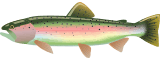
raindbow trout

Rainbow Trout

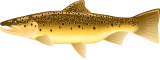
brown trout

Brown Trout

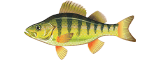
yellow perch

Yellow Perch

Largemouth Bass

Largemouth Bass

Pumpkinseed Sunfish

Yellowfin Tuna

Atlantic Salmon

Bluegill

Bluegill

Peacock Bass

Bluefin Tuna

Wahoo

Yellowtail Amberjack

Swordfish

Bonefish

Skipjack Tuna

Tarpon

Blue Marlin

Sailfish

Crappie

Crappie

Mahi Mahi

Channel Catfish

Channel Catfish

White Bass

White Bass

Grouper

Halibut

Carp

c

Mackerel

spotted bass

Spotted Bass

Striped Bass

State Fishing Records

Top 10 Fishing Spots Across Florida

How to Choose Where to Fish in Florida

Florida is too big to “just pick a spot.” You need to match your goal first.

  • Want trophy saltwater fish → Florida Keys or Miami offshore
  • Want inshore variety → Tampa, Fort Myers
  • Want backwater fishing → Marco Island
  • Want freshwater bass → canals and inland systems (West Palm area)
  • Want mix of everything → Panama City or Jacksonville

Choosing correctly makes more difference than skill level.

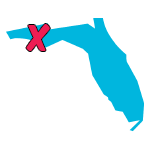
Panama City Beach

Panama City Beach

Panama City Beach is one of the most versatile fishing destinations in Florida, offering access to inshore, offshore, and surf fishing within a single area.

Inshore, redfish, speckled trout, and flounder dominate, especially around grass flats, channels, and structure. These fish tend to hold in shallow water during cooler parts of the day and move deeper as temperatures rise.

Offshore, this area becomes a completely different fishery. Snapper, grouper, mahi, and mackerel are common, with trolling and bottom fishing being the primary techniques.

Fishing success here comes from choosing the right environment for the conditions—staying inshore during rough water and heading offshore when seas are calm.

Panama City Beach is ideal for anglers who want maximum flexibility and the ability to switch fishing styles based on conditions.


Tampa

Tampa

Tampa is one of the best inshore fisheries in Florida, known for consistent action and a wide range of species.

Redfish, snook, and spotted seatrout dominate the flats and coastal waters, especially around mangroves, oyster bars, and shallow grass areas. Fish here often feed aggressively during moving tides, particularly early and late in the day.

Tarpon are a major seasonal draw, especially around bridges and deeper channels where they stage during migration.

A common mistake in Tampa is fishing dead water—areas without current. Fish position themselves where water moves and brings food.

Tampa is best suited for anglers who want consistent inshore fishing with strong species variety and predictable patterns.


Fort Myers

Fort Myers

Fort Myers is one of the top destinations for backcountry fishing, especially for anglers targeting the “inshore slam” (snook, redfish, and seatrout).

Fish tend to hold in mangroves, grass flats, and tidal creeks, where structure and cover provide both protection and feeding opportunities.

Tarpon migration in spring is one of the biggest draws, with large fish moving through coastal waters and inlets.

Fishing here is about precision—casting tight to structure and working bait naturally with current.

Fort Myers is ideal for anglers who want technical inshore fishing with high reward potentia


Marco Island

Marco Island

Marco Island offers a quieter but highly productive backwater fishing experience.

Redfish, snook, tarpon, and trout dominate the shallow waters, especially around mangrove edges and channels. Fish often hold in shaded areas and ambush bait as tides move.

Slow presentations and accurate casting are critical—fish here can be pressured and selective.

Offshore options are also available, but the strength of Marco Island is inshore fishing.

This is best suited for anglers who want less pressure and a more technical, structure-focused fishing environment.


Florida Keys

Florida Keys

The Florida Keys are one of the most unique fishing destinations in the world, offering access to flats, reefs, and deep offshore waters in a compact area.

On the flats, anglers target bonefish, tarpon, and permit—often requiring sight fishing and precise presentation.

Offshore, mahi, tuna, sailfish, and marlin are common, with trolling being the dominant technique.

The biggest challenge here is not finding fish—it’s choosing what to target.

The Keys are ideal for anglers who want the widest range of fishing styles in one location, from technical flats fishing to deep-sea action.


Miami

Miami

Miami is one of the few places where you can catch offshore species within sight of a major city skyline.

Offshore fishing is the main draw, with mahi, tuna, sailfish, and wahoo commonly caught even on shorter trips. Strong currents and deep water close to shore make this possible.

Inshore, tarpon fishing—especially at night near bridges—is a major highlight.

Fishing success here depends heavily on current and bait movement, not just location.

Miami is best suited for anglers who want fast-paced offshore fishing with the option for unique urban inshore experiences.


West Palm Beach

West Palm Beach

West Palm Beach offers a mix of freshwater and saltwater fishing, making it one of the more versatile destinations in South Florida.

Inland canals and lakes are known for peacock bass, which are highly aggressive and active in warmer conditions.

Offshore and reef fishing provide access to snapper, grouper, and other species, while inshore waters hold snook and tarpon.

Fishing here is often about mobility—moving between freshwater and saltwater based on conditions.

West Palm Beach is ideal for anglers who want variety and the option to switch between freshwater and saltwater fishing in one trip.


Cocoa Beach

Cocoa Beach

Cocoa Beach offers strong inshore fishing with access to lagoons, rivers, and nearshore waters.

Speckled trout, snook, redfish, and drum are common, especially around oyster beds, grass flats, and marsh areas.

Fish tend to hold near structure and current edges, making positioning and presentation more important than casting distance.

The nearby Banana River and Thousand Islands area provide additional options for exploring different water types.

Cocoa Beach is best suited for anglers who want steady inshore fishing with multiple environments to explore.


Daytona Beach

Daytona Beach

Daytona Beach offers a mix of surf, river, and offshore fishing opportunities.

Surf fishing produces species like pompano, bluefish, and drum, especially when targeting troughs and sandbar breaks.

The Halifax River provides calmer water for bass, snook, and redfish, while offshore trips offer opportunities for wahoo, mahi, and sailfish.

Success here comes from choosing the right zone—surf, river, or offshore—based on conditions.

Daytona Beach is ideal for anglers who want multiple fishing options without needing to travel far.


Jacksonville

Jacksonville

Jacksonville is one of the best places in Florida to target king mackerel, along with a wide range of inshore and offshore species.

Inshore, redfish, trout, flounder, and sheepshead dominate, especially around structure and tidal zones.

Offshore, anglers can target sailfish, tuna, mahi, and wahoo, with charter fishing being the most effective approach.

Fishing success here is heavily tied to tide and current—understanding water movement is key.

Jacksonville is best suited for anglers who want a balanced fishery with strong inshore action and access to offshore opportunities.


>