
Crappie Fishing Guide
A Complete, Real-World System for Finding and Catching Crappie
Crappie Fishing Guide
A Complete, Real-World System for Finding and Catching Crappie
Overview
Crappie are not aggressive predators.
They are precision feeders—and if you understand that, everything changes.
They don’t chase far. They don’t waste energy. They feed when something is presented correctly, at the right depth, in the right place.
That means:
Depth control and presentation matter more than anything else.
Where to Find Crappie
Crappie are structure-oriented—but more specifically, they are cover + depth fish.
They suspend, hold tight to structure, and often group tightly.
Lakes & Ponds
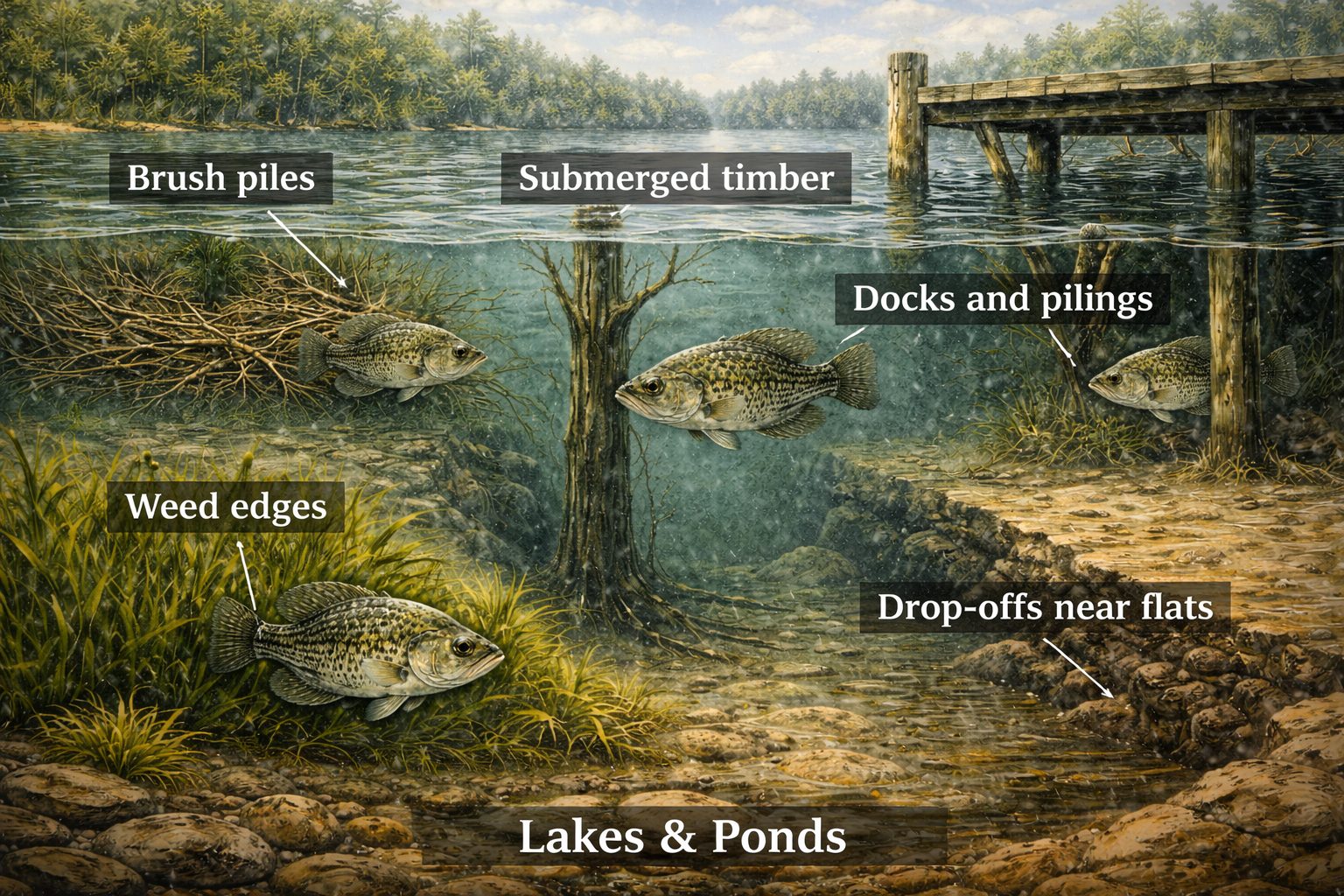
Primary holding zones:
- Brush piles
- Submerged timber
- Docks and pilings
- Weed edges
- Drop-offs near flats
Crappie rarely roam far—they stay close to cover and move vertically more than horizontally.
Reservoirs
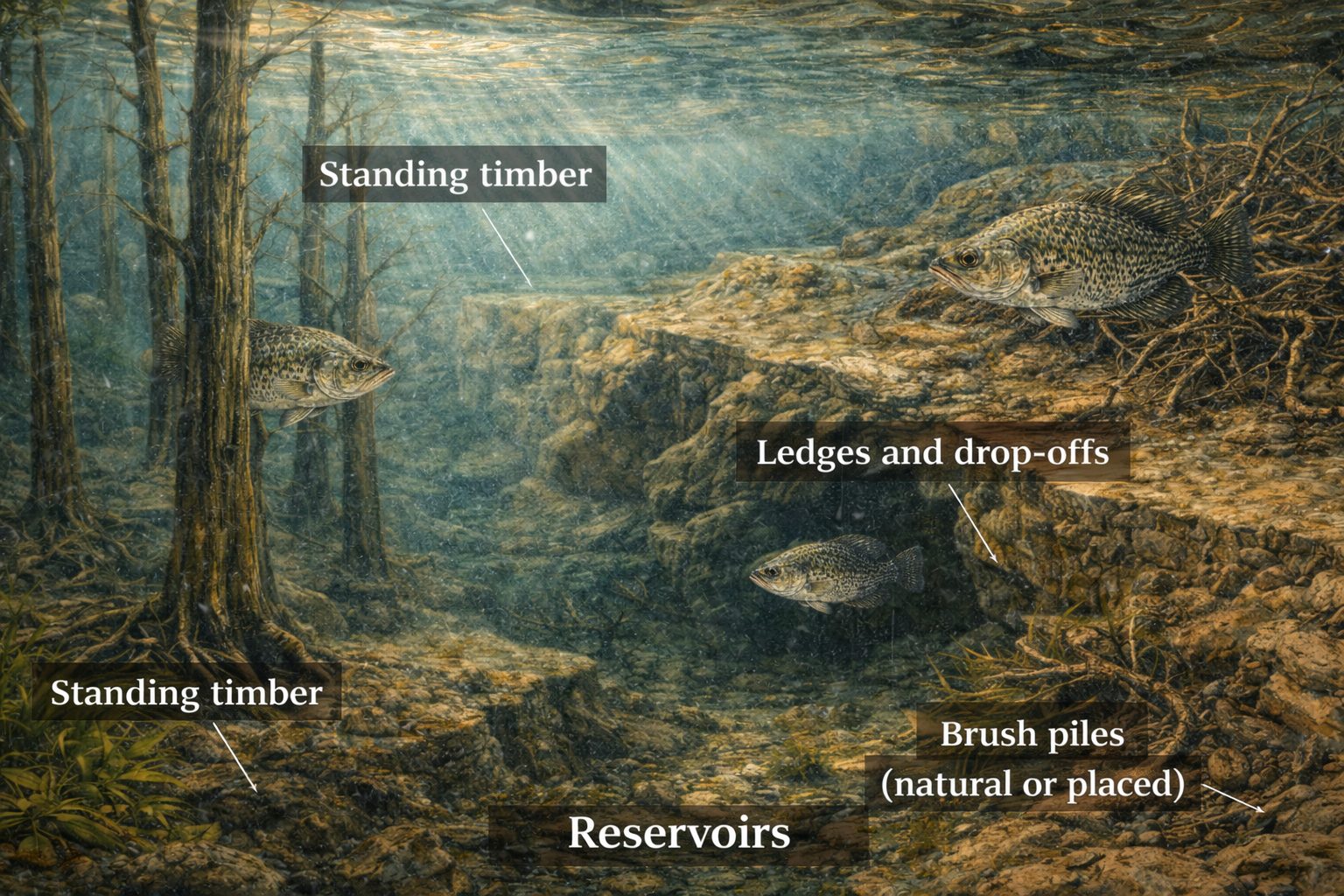
Highly productive but require more precision.
Focus on:
- Standing timber
- Creek channels
- Ledges and drop-offs
- Brush piles (natural or placed)
Crappie often suspend over deeper water, especially in warmer months.
Rivers
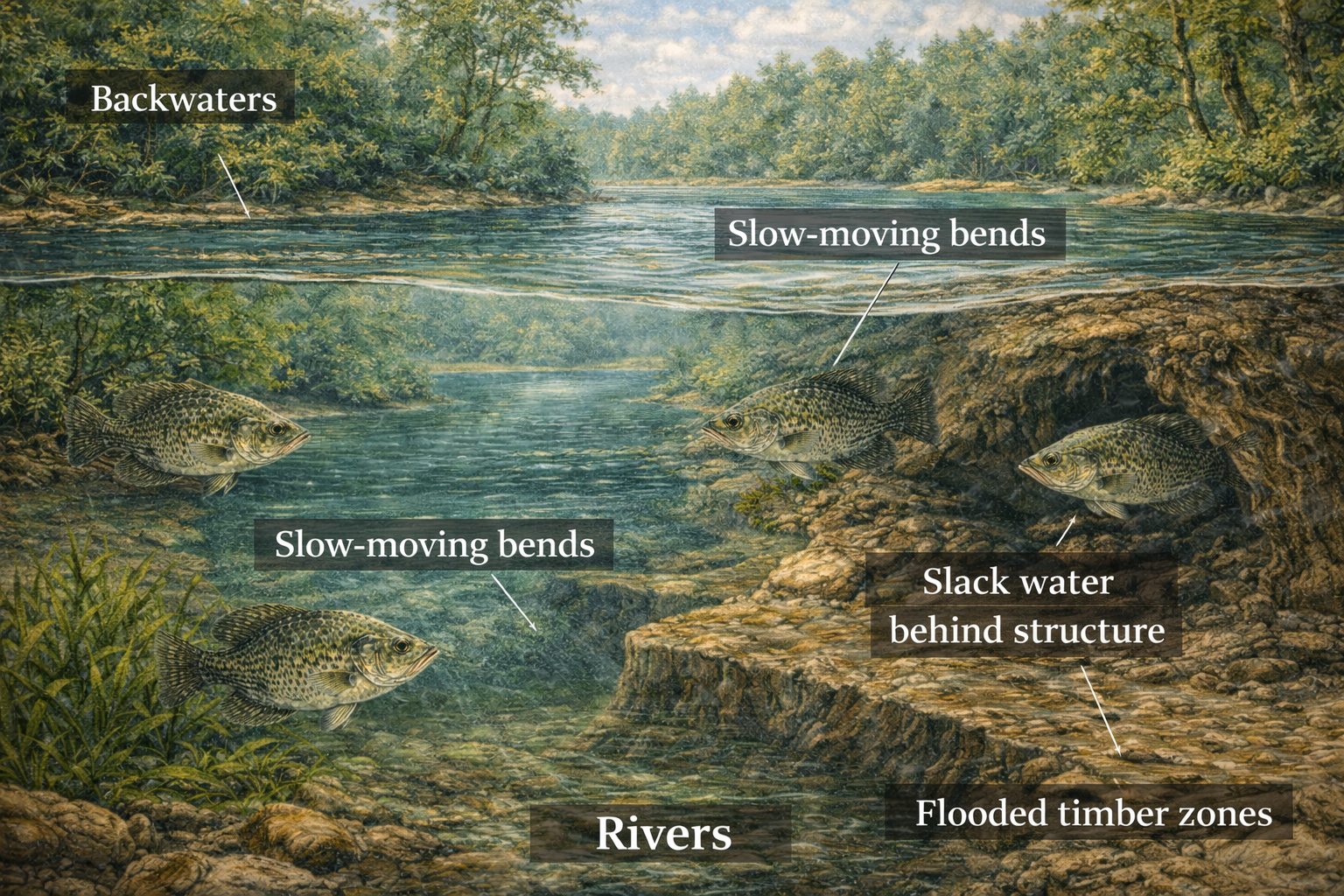
Crappie avoid heavy current.
Look for:
- Backwaters
- Slow-moving bends
- Slack water behind structure
- Flooded timber zones
If the current is strong, they move out of it.
Seasonal Patterns
Crappie behavior is highly predictable once you understand seasonal depth shifts.
Spring
- Move shallow to spawn
- Stack around cover in shallow water
- Extremely active
Best time for numbers and easy fishing.
Summer
- Move deeper or suspend
- Hold over structure or open water
- Feed early and late
Key mistake: fishing too shallow.
Fall
- Feed actively before winter
- Follow bait into mid-depth zones
- Consistent action
Often overlooked—but highly productive.
Winter
- Group tightly in deeper water
- Slow but very catchable
- Ice fishing can be excellent
Location matters more than movement.
Best Times to Fish
Time of Day
- Early morning → strongest bite
- Evening → consistent action
- Midday → deeper, slower fishing
Conditions
- Stable weather = consistent bite
- Light wind helps
- Clear water = more cautious fish
Tackle & Setup
Crappie require finesse—not power.
- Rod: Light or ultralight
- Reel: Smooth, light setup
- Line: 2–6 lb test
The lighter the setup, the more natural the presentation.
Proven Methods
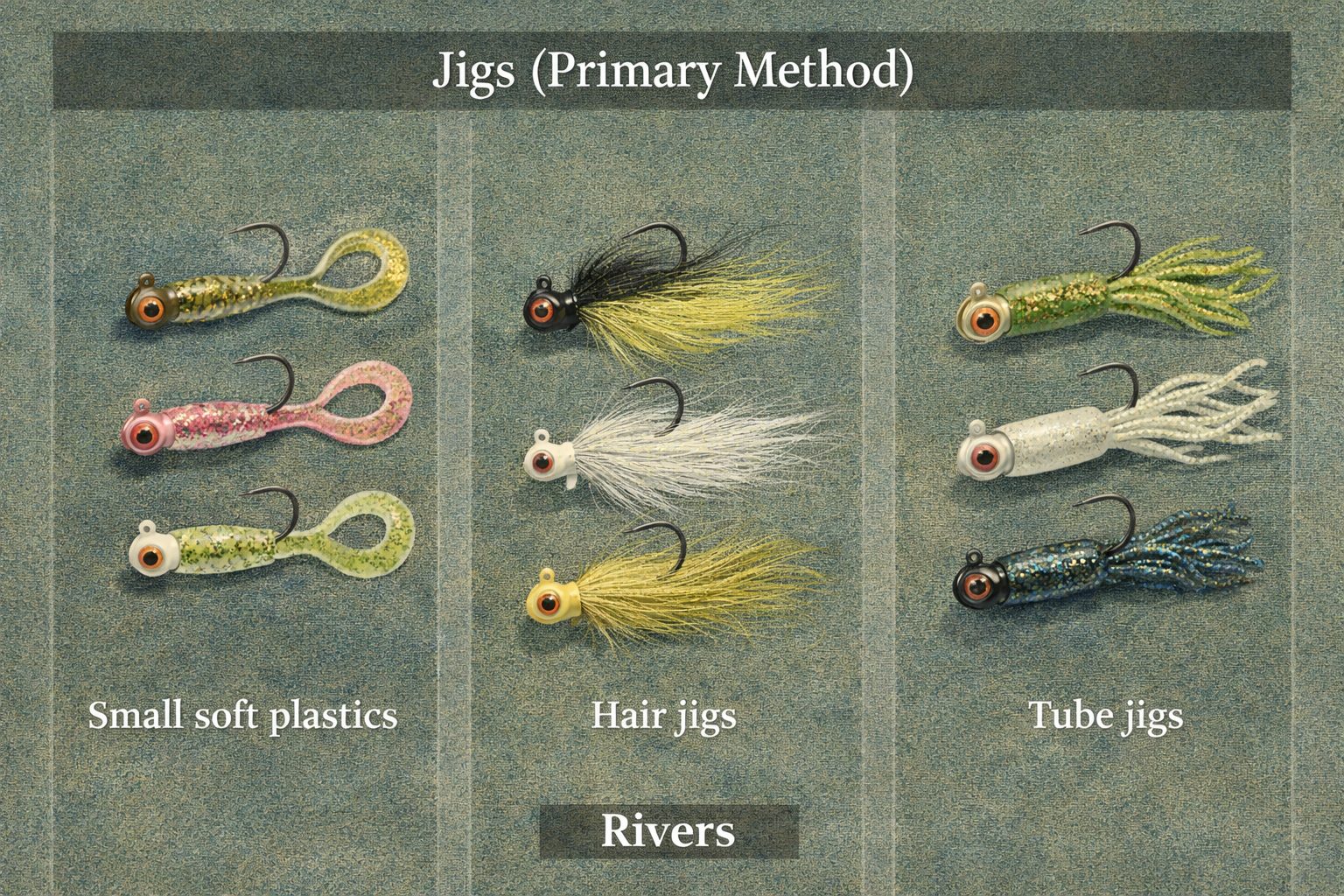
Jigs (Primary Method)
- Small soft plastics
- Hair jigs
- Tube jigs
Fish them:
- Slow
- At a controlled depth
- With minimal movement
Most anglers fish too fast—that’s the biggest mistake.
Minnow Fishing
- Live minnows are extremely effective
- Especially in colder water or pressured areas
Best used when fish are inactive but still feeding.
Vertical Fishing
- Drop straight down into structure
- Control depth precisely
This is one of the most consistent techniques.
Best Jig Setups for Crappie (Dialed-In Systems That Actually Work)
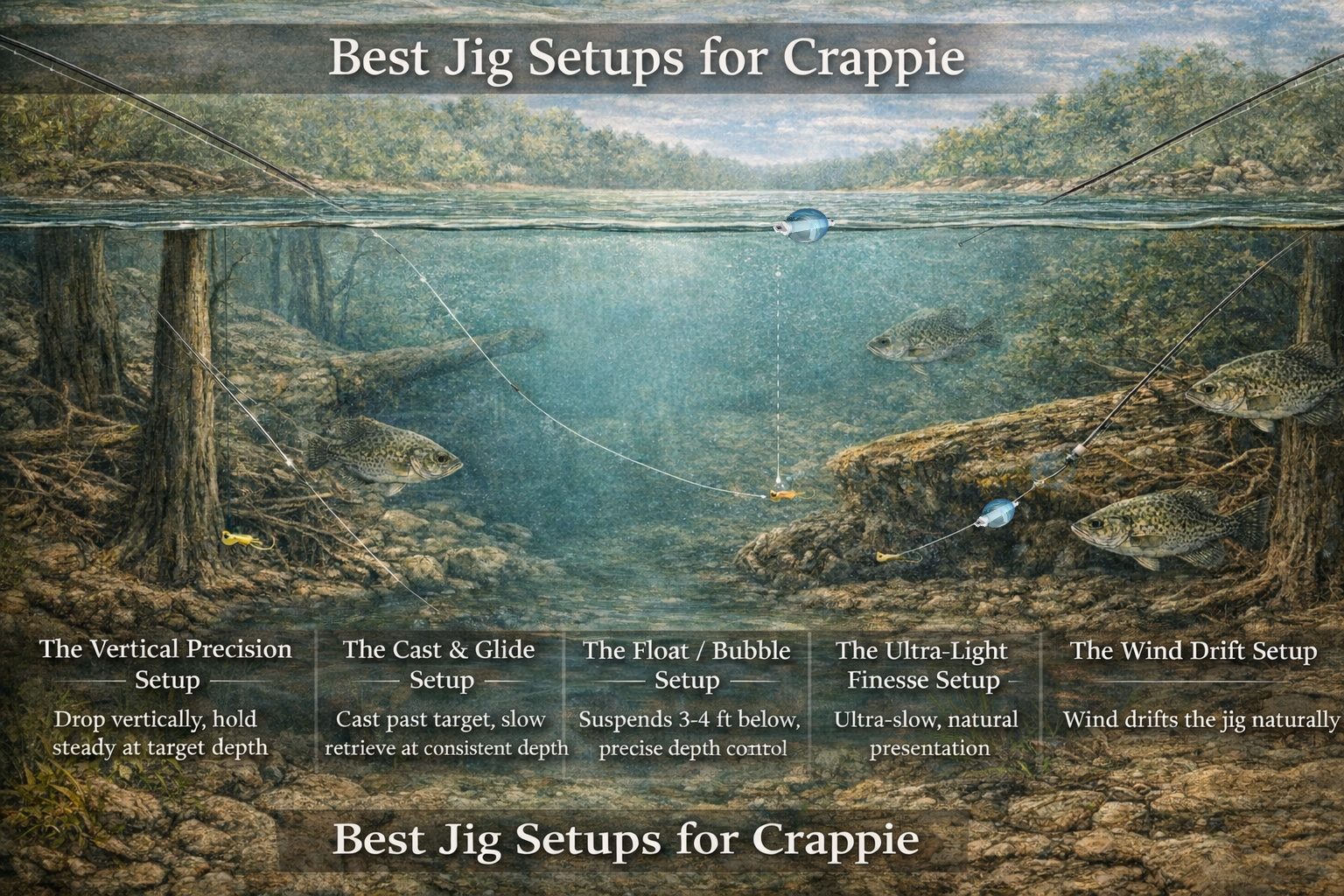
If you want to consistently catch crappie on jigs, the lure itself is only part of the equation.
The setup determines how that jig behaves in the water—and that’s what triggers bites.
1. The Vertical Precision Setup (Most Consistent)
This is the highest-percentage setup when fish are holding tight to structure.
Best For
- Brush piles
- Submerged timber
- Docks
- Deep structure
Setup
- 6–7 ft light or ultralight rod
- 2–4 lb mono or fluorocarbon
- 1/16 oz jig (adjust based on depth)
- Small soft plastic or hair jig
How It Works
- Drop straight down into structure
- Stop at target depth
- Hold steady with slight movement
Why It Works
You maintain perfect depth control, which is everything with crappie.
2. The Cast & Glide Setup (Cover Water Efficiently)
This is your search setup when you’re trying to locate fish.
Best For
- Shore fishing
- Suspended fish
- Open water near structure
Setup
- 6–7 ft light spinning rod
- 4–6 lb line
- 1/16–1/8 oz jig
How It Works
- Cast beyond target
- Let jig fall to desired depth
- Slow retrieve with occasional pauses
Key Detail
The goal is to keep the jig at a consistent depth during retrieve.
3. The Float / Bubble Setup (Most Controlled System)
This is where your system becomes a major advantage.
Best For
- Suspended crappie
- Fishing from shore
- Docks and brush piles
- Light bite conditions
Setup
- Clear bubble or float
- 2–6 ft leader (adjust depth precisely)
- 1/32–1/16 oz jig
How It Works
- Set exact depth
- Cast and let it sit
- Minimal movement
Why This Is So Effective
It:
- Locks your jig in the strike zone
- Removes depth guesswork
- Slows presentation naturally
This is one of the most consistent ways to fish crappie—especially from shore.
4. The Ultra-Light Finesse Setup (For Pressured Fish)
When the bite gets tough, this setup keeps you catching.
Best For
- Clear water
- Heavily pressured lakes
- Cold water conditions
Setup
- Ultralight rod
- 2 lb line
- 1/32 oz jig or smaller
- Small profile bait
How It Works
- Extremely slow presentation
- Minimal movement
- Long pauses
Why It Works
It creates the most natural, non-threatening presentation possible.
5. The Wind Drift Setup (Underrated but Deadly)
Most anglers fight wind. You can use it.
Best For
- Open water
- Light wind conditions
- Suspended crappie
Setup
- Jig under bubble or float
- Long leader
- Light jig
How It Works
- Cast out
- Let wind slowly drift your jig
- No active retrieve
Why It Works
It creates a perfect natural drift—something you can’t replicate by reeling.
How to Choose the Right Setup
Instead of guessing, use this:
- Fish tight to structure → Vertical Setup
- Need to locate fish → Cast & Glide
- Suspended fish / shore fishing → Bubble Setup
- Tough bite → Finesse Setup
- Wind present → Drift Setup
The One Thing That Matters More Than Setup
No matter which setup you use:
Depth control matters more than anything else
You can have:
- The perfect jig
- The perfect setup
…and still fail if you’re not fishing at the right depth.
Bottom Line
The best jig setup is not about gear—it’s about:
- Keeping your bait at the correct depth
- Slowing your presentation
- Matching how crappie actually feed
Do that, and every setup here becomes effective.
Bubble + Bait System (Highly Effective for Crappie)
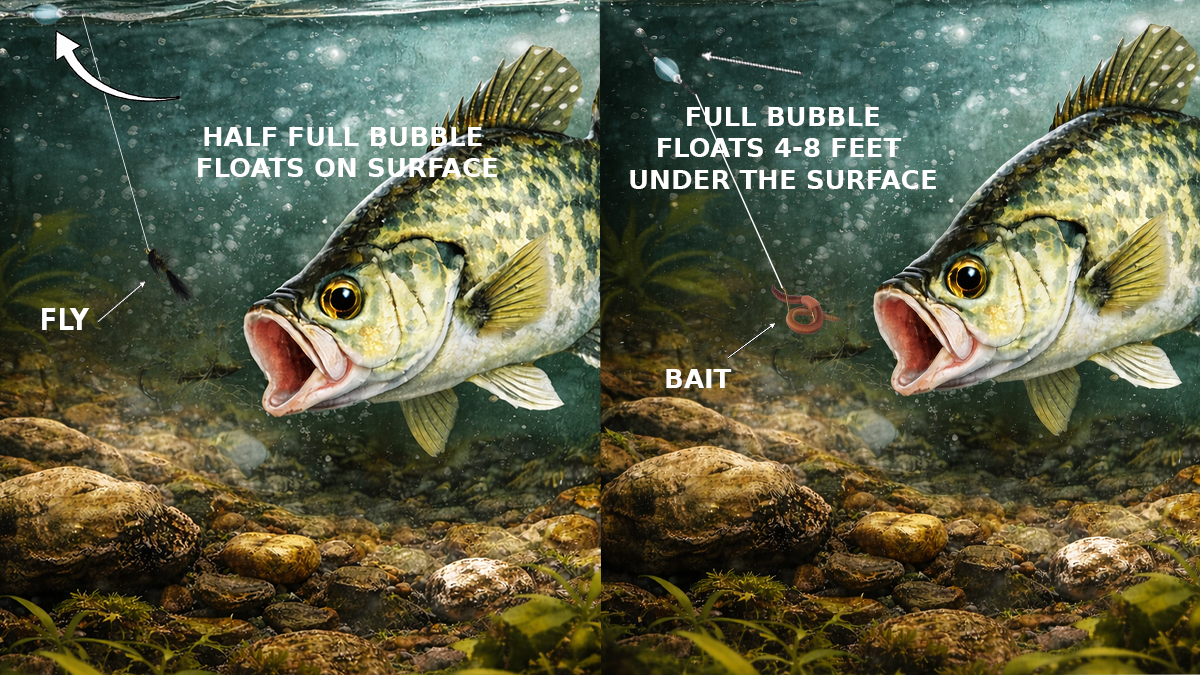
This is where your system becomes a major advantage.
For crappie, this is not a backup method—
It’s one of the most effective ways to fish from shore or cover suspended fish.
Why This System Works So Well
Crappie:
- Feed upward
- Hold at very specific depths
- Respond to slow, natural movement
The bubble allows you to:
- Lock in exact depth
- Keep bait suspended
- Fish slowly without losing control
When to Use It
- Shore fishing
- Suspended crappie
- Clear water
- Light bite conditions
- Around docks and brush
How to Fish It
- Use a fully or partially filled bubble depending on depth
- Set leader length based on where fish are holding
- Cast and let it settle
- Slow retrieve or slight movement
The key is:
Keep the bait at their level—not above, not below.
Best Baits for This System
- Live minnows
- Small soft plastics
- Micro jigs
Natural presentation always outperforms aggressive movement.
Fly Fishing for Crappie
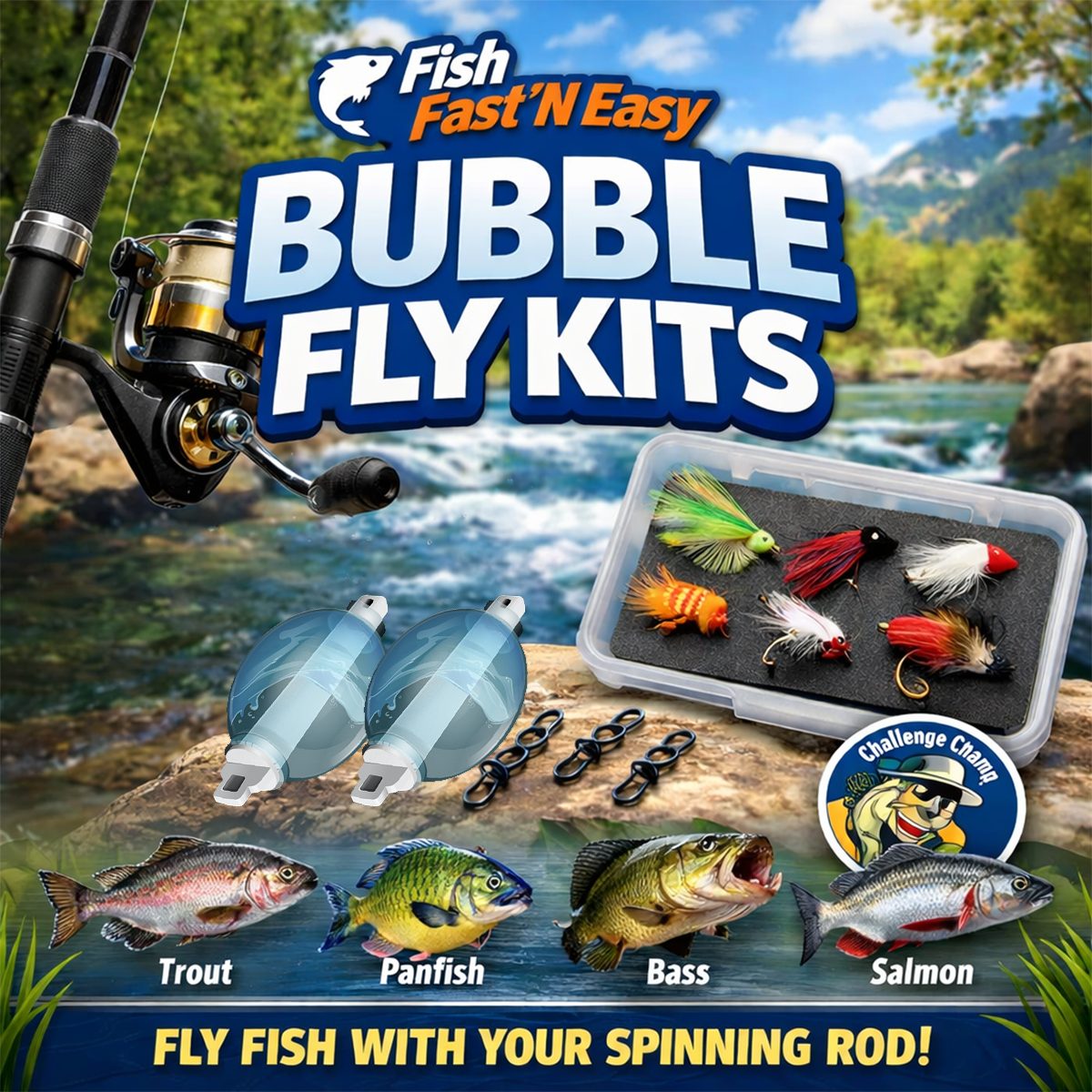
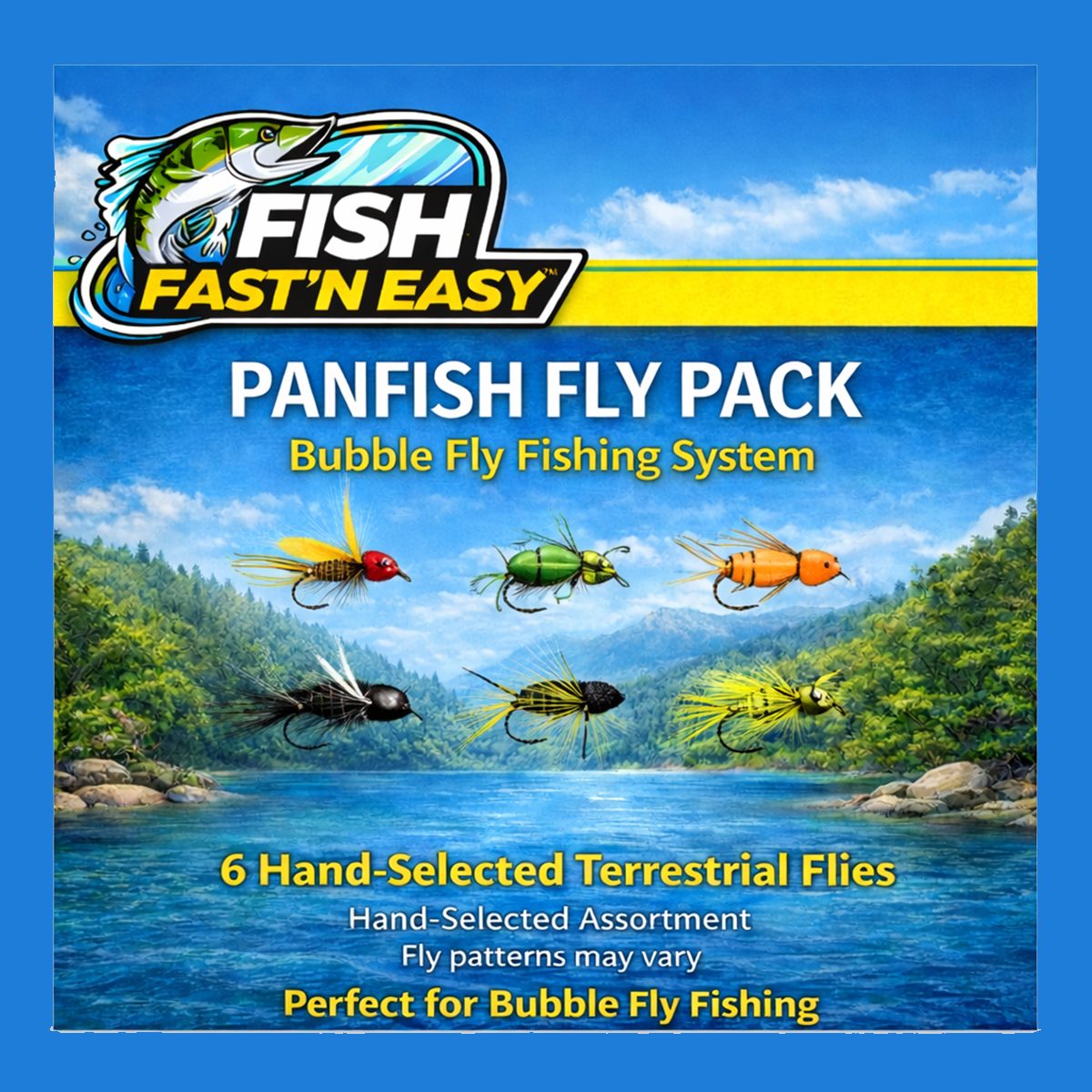
Not common—but effective in the right conditions.
Best when:
- Fish are shallow
- Water is calm
- Structure is accessible
Use:
- Small streamers
- Bug imitations
Presentation still matters more than fly choice.
Species-Specific Strategy
They Feed Upward
This is critical.
If your bait is below them: They often won’t move down to hit it.
They Hold Tight to Depth
Crappie don’t wander randomly.
They stay:
- At specific depths
- Around specific structure
If you’re not catching fish: You’re likely at the wrong depth
Slow Wins Every Time
Fast retrieves kill your chances.
Crappie respond to:
- Stillness
- Subtle movement
- Controlled presentation
Common Mistakes
- Fishing too fast
- Fishing the wrong depth
- Ignoring structure
- Moving too often instead of dialing in depth
- Using line that’s too heavy
Best Destinations for Crappie
- Lake of the Ozarks, Missouri
- Kentucky Lake (KY/TN)
- Grenada Lake, Mississippi
- Toledo Bend (TX/LA)
Quick Tactical Summary
If you want consistent success:
- Find structure first
- Dial in depth before changing bait
- Fish slow—slower than you think
- Keep bait above or at fish level
- Use bubble + bait for suspended fish
- Focus on presentation over lure choice
Looking for more species and techniques? Explore our Complete Fishing Guides.
SHARING IS CARING
FishingVacations.com Copyright 2019 - 2026