Visit Yosemite National Park


FISHING VACATIONS IN YOSEMITE NATIONAL PARK, CALIFORNIA
High Sierra Trout Waters at Their Finest
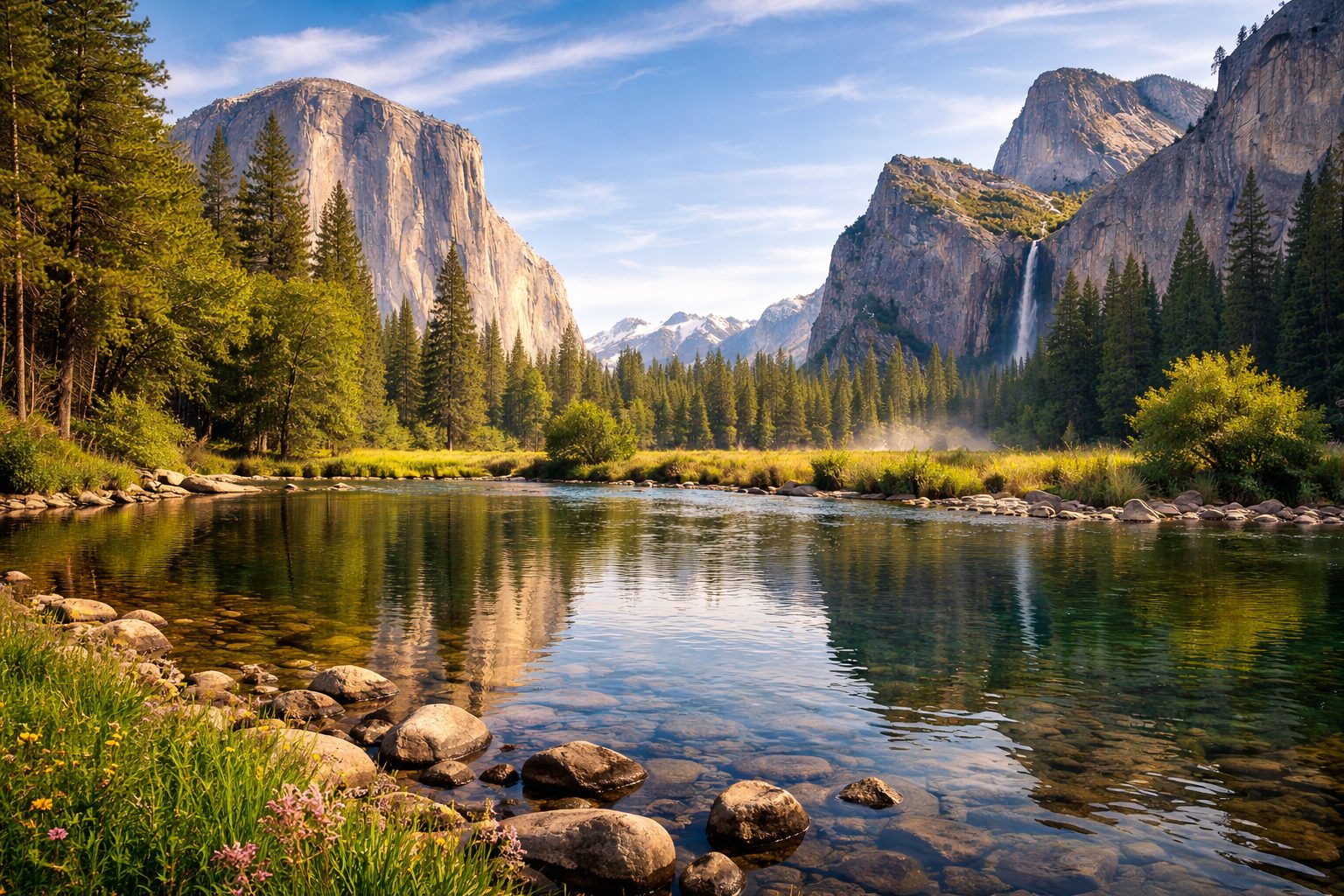
Yosemite National Park is one of California’s most iconic outdoor destinations, known for towering granite cliffs, alpine lakes, glacier-carved valleys, and some of the most scenic trout fishing in the West. Located in the Sierra Nevada Mountains east of San Francisco, Yosemite offers anglers access to cold, clear rivers and over 250 high-elevation lakes and ponds.
Fishing in Yosemite is centered around wild trout. The Merced River flows through Yosemite Valley with accessible stretches ideal for families and beginner anglers, while the Tuolumne River and remote alpine lakes reward those willing to hike for solitude and pristine waters.
Anglers come for rainbow, brown, and brook trout. Families come for waterfalls, wildlife viewing, hiking trails, and unforgettable Sierra views. Whether you’re casting dry flies along a quiet river bend or drifting a Fish Fast N Easy™ Bubble across a calm mountain lake, Yosemite delivers a true high-country fishing experience.
FISHING THE WATERS OF YOSEMITE
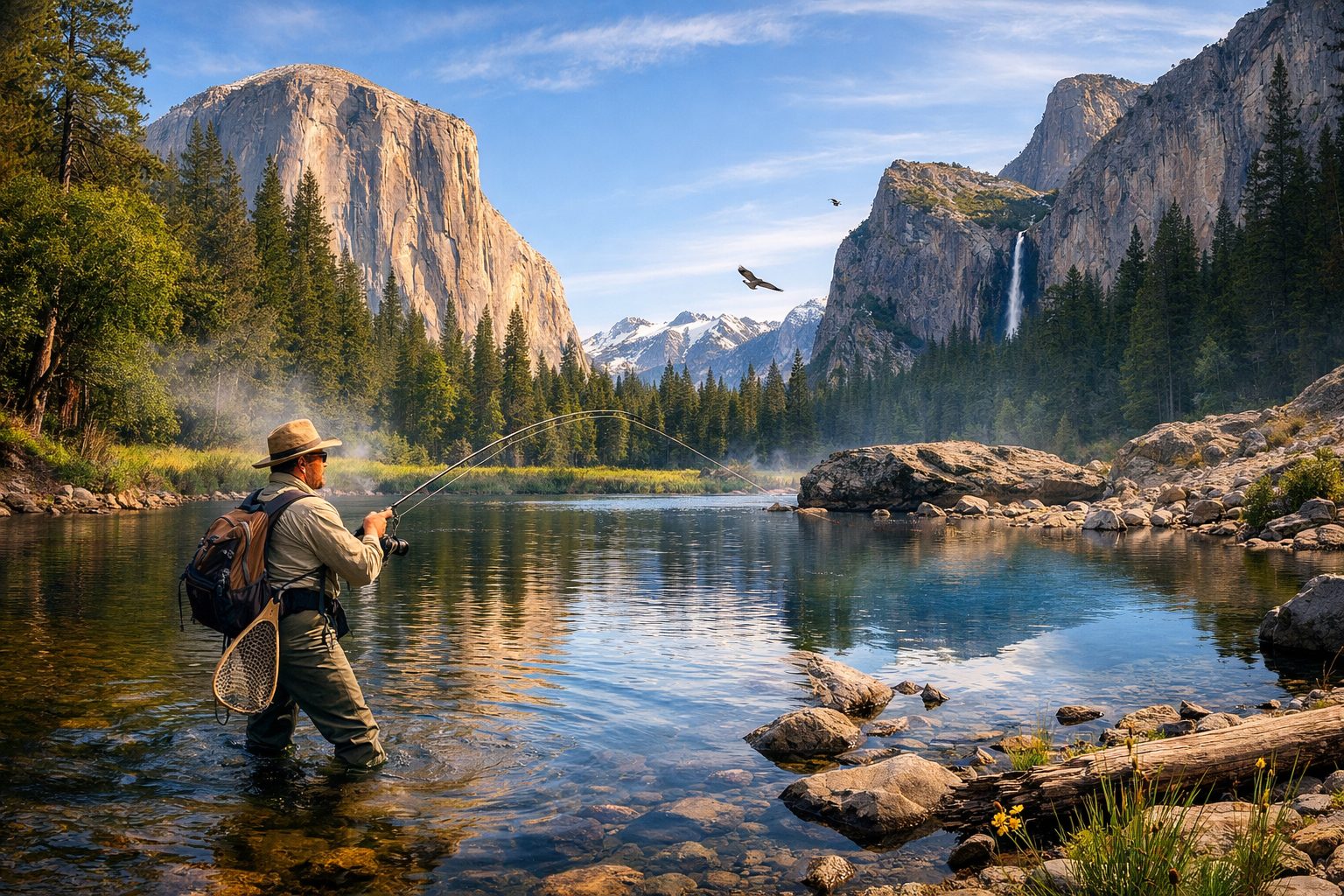
Fishing in Yosemite National Park is defined by cold, clear water and wild trout habitat. Unlike coastal destinations, Yosemite’s fisheries are primarily river and alpine lake based, with no motorized boating allowed inside most of the park. This creates a quieter, more traditional angling experience centered around hiking access and natural presentations. The Merced River runs through Yosemite Valley and offers some of the most accessible fishing in the park. Upstream, the Tuolumne River flows through high country terrain, providing classic Sierra trout water. In addition, more than 250 lakes and ponds are scattered throughout the backcountry, many holding brook and rainbow trout.
Fishing regulations within Yosemite follow California Department of Fish and Wildlife (CDFW) guidelines, with special artificial lure and barbless hook requirements in certain areas. Always confirm current regulations before your trip.
Whether you are wading a river, hiking to a high-elevation lake, or exploring a quiet meadow stream, Yosemite rewards anglers who prioritize stealth, patience, and natural presentations.
Yosemite Fish Species
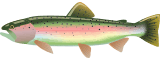
Rainbow Trout
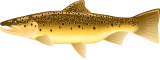
Brown Trout

Brook Trout
Yosemite National Park is primarily a trout fishery. The most commonly targeted species include:
Rainbow Trout
Widely distributed throughout rivers and lakes, rainbow trout are active feeders and respond well to dry flies, nymphs, and small spinners where permitted.
Brown Trout
Often found in deeper river pools and larger sections of the Merced River, brown trout can grow larger and require a more patient presentation.
Brook Trout
Common in high-elevation lakes such as May Lake and Gaylor Lakes. Brook trout are aggressive and often eager to strike small flies and streamers.
Other native and resident species found in select waters include Sacramento sucker, California roach, hardhead, sculpin, and Sacramento pikeminnow. These species are less commonly targeted but contribute to the park’s overall aquatic ecosystem.
Best Fishing Seasons – Yosemite National Park
| Season | Primary Species | Recommended Method | Local Notes |
|---|---|---|---|
| Spring (April–June) | Rainbow Trout, Brown Trout | Half-filled Bubble with dry flies or nymphs | River season typically opens in late April. Snowmelt raises water levels — fish slower eddies and pocket water. |
| Summer (July–September) | Brook Trout, Rainbow Trout | ½ to ¾ filled Bubble with small streamers or wet flies | High-elevation lakes like May Lake and Gaylor Lakes are fully accessible. Early morning and late evening produce best results. |
| Fall (October–November) | Brown Trout, Rainbow Trout | Natural drift presentations with light leader | Cooling water temps increase trout activity. Fewer crowds make this a peaceful time to fish. |
| Winter (December–March) | Lake Trout (outside park), Limited River Access | Check regulations carefully | Many streams close seasonally. Lower elevations may remain fishable depending on CDFW rules. |
Important Regulation Note
Fishing Regulations & Licensing in Yosemite National Park
Yosemite follows California Department of Fish and Wildlife (CDFW) regulations.
Many areas require artificial lures only and have seasonal closures. Always confirm current rules before fishing.
Fishing inside Yosemite National Park is regulated under California Department of Fish and Wildlife (CDFW) rules, with additional park-specific guidelines designed to protect native fish populations and preserve natural ecosystems.
Before fishing, all anglers should review the most current regulations directly from CDFW, as seasons, restrictions, and closures may change annually.
California Fishing License
• A valid California fishing license is required for anyone 16 years of age or older.
• Licenses can be purchased online through CDFW or at authorized retailers throughout California.
• Carry your license at all times while fishing.
Seasonal Closures & Open Waters
• River and stream fishing seasons typically open in late April and may close in November, depending on specific waters.
• Some high-elevation areas are inaccessible due to snow for much of the winter and early spring.
• Always confirm access conditions and seasonal road openings, particularly Tioga Pass.
Tackle Restrictions
Many waters within Yosemite require:
• Artificial lures only
• Barbless hooks in designated sections
• Catch-and-release practices in certain areas
Live bait is restricted or prohibited in many park waters to protect native species. Check specific water regulations before fishing.
Boating Restrictions
Motorized boats are not permitted within Yosemite National Park. Fishing is primarily conducted from shore, while wading, or from non-motorized watercraft where allowed.
Conservation Reminder
Yosemite’s trout populations thrive because of responsible angling. Practice ethical catch-and-release when appropriate, minimize impact to shorelines, and follow all park guidelines to help preserve these waters for future generations.
Amenities in Yosemite National Park


Yosemite National Park is built for outdoor adventure, but amenities are intentionally minimal in many areas to preserve the park’s natural environment. Planning ahead is essential, especially during peak season from late spring through early fall.
Visitor Centers & Information
Yosemite Valley Visitor Center and Tuolumne Meadows Visitor Center provide maps, fishing regulations, wilderness permits, and seasonal updates. Rangers can answer questions about river access, trail conditions, and current closures.
Restrooms & Facilities
Restrooms are available at major trailheads, campgrounds, and developed areas throughout Yosemite Valley. Drinking water stations are available in designated locations, but backcountry anglers should carry water filtration systems.
Dining & General Stores
Restaurants, grocery stores, and small markets are available in Yosemite Valley, Curry Village, and Wawona. These are convenient for picking up last-minute supplies before heading to the river or trail.
Guided Services
Professional fly-fishing guides operate in and around Yosemite, offering instruction and guided trips on the Merced River and nearby waters. Guided pack trips using horses or mules are also available for multi-day backcountry fishing experiences.
Equipment & Rentals
Fishing gear rentals inside the park are limited. Most anglers bring their own equipment. If additional gear is needed, nearby gateway towns such as Oakhurst, Mariposa, and Groveland offer tackle shops and outdoor retailers.
Lodging in Yosemite National Park


Yosemite Valley Lodge

Rush Creek Lodge

Yosemite Southgate
Yosemite offers a range of lodging options inside the park, from historic valley lodges to modern mountain resorts just outside park entrances. Due to high visitor demand, reservations should be made well in advance, especially between May and October.
Yosemite Valley Lodge
Located near Yosemite Falls, Yosemite Valley Lodge provides direct access to the Merced River and several trailheads. It’s one of the most convenient options for anglers who want quick river access without extended hiking.
Rush Creek Lodge
Situated near the Big Oak Flat entrance, Rush Creek Lodge blends resort comfort with outdoor access. It’s a strong option for families looking to combine fishing, hiking, and relaxation.
Yosemite Southgate Hotel & Suites
Located in Oakhurst near the south entrance, this option provides easier access to lower-elevation fishing areas and nearby lakes outside park boundaries.
Staying Outside the Park
Many anglers choose to stay in gateway towns such as Mariposa, Groveland, or Oakhurst, where lodging rates may be lower and fishing access to nearby rivers and reservoirs remains excellent.
Peak season tip:
Summer and early fall bookings fill months in advance. Winter lodging is more available but weather and road closures may limit fishing access.
Camping in Yosemite National Park
Yosemite campgrounds are divided between valley floor sites, high-elevation summer-only sites, and more remote forested locations. Some campgrounds operate year-round, while others open only after snow clearance, typically between late May and October.
• Reservations are required for most campgrounds during peak season.
• Some operate on a first-come, first-served basis during shoulder seasons.
• RV hookups are not available inside the park, though dump stations are provided at select locations.
Anglers should consider proximity to water access when choosing a campground. Valley campgrounds provide easier access to the Merced River, while high-country campgrounds offer closer access to alpine lakes and Tuolumne River sections.

Campground Map

Yosemite Creek

White Wolf

Hodgdon Meadow

Crane Flat

Tamarack Flat

Tuolumne

Porcupine Flat

Bridalveil Creek
Camping is one of the most popular ways to experience Yosemite, especially for anglers planning early-morning river access or multi-day fishing trips. The park offers 13 developed campgrounds, each with unique access points and seasonal availability.

RV Camping in Yosemite National Park
Yosemite offers limited RV accommodations compared to traditional tent camping, and full utility hookups are not available inside the park. However, several campgrounds allow RV parking and provide essential services for extended stays.
What to Expect
• No sewer, water, or electrical hookups inside Yosemite
• Dump stations available at select campgrounds (seasonal access may apply)
• Size restrictions vary by campground
• Advance reservations strongly recommended during peak season
Upper Pines Campground provides year-round dump station access. Wawona and Tuolumne Meadows campgrounds offer dump stations during summer operations.
RV Size Considerations
Not all Yosemite campgrounds accommodate larger motorhomes or trailers. Always verify maximum vehicle length before booking. Many sites are better suited for smaller travel trailers and camper vans.
Alternative RV Options Outside the Park
For full hookup services, many visitors stay in gateway communities such as Oakhurst, Groveland, and Mariposa. These locations provide:
• Full utility hookups
• Easier availability
• Short drives into the park
• Access to additional fishing waters outside park boundaries
Top Attractions in Yosemite National Park
Sightseeing

Hiking

Beauty

Yosemite is more than a fishing destination — it’s one of the most iconic natural landscapes in the United States. Towering granite cliffs, alpine meadows, and powerful waterfalls make it a place where outdoor adventure extends well beyond the water.
1. Yosemite Falls
The tallest waterfall in North America, Yosemite Falls drops a total of 2,425 feet. Spring snowmelt creates peak flow conditions, making late May and early June the most dramatic time to visit.
2. Glacier Point
Offering one of the most breathtaking views in California, Glacier Point overlooks Yosemite Valley, Half Dome, and the High Sierra. Accessible seasonally depending on road conditions, it’s a must-see overlook for photographers and families.
3. Half Dome
One of the most recognizable rock formations in the world, Half Dome dominates the eastern end of Yosemite Valley. Permits are required for the summit hike, but even viewing it from the valley floor is unforgettable.
4. El Capitan
A vertical granite monolith rising 3,000 feet above the valley floor, El Capitan is world-famous among climbers. Visitors often spot climbers scaling its massive face through binoculars.
5. Tioga Pass & Tuolumne Meadows
Open seasonally, Tioga Road provides access to high-elevation lakes, meadows, and hiking trails. This area is especially appealing for anglers targeting alpine brook trout and those seeking quieter fishing locations.
6. Wildlife Viewing
Yosemite is home to black bears, mule deer, coyotes, bobcats, and over 250 species of birds. Early morning and evening hours offer the best chances to observe wildlife safely and responsibly.
7. Scenic Hiking Trails
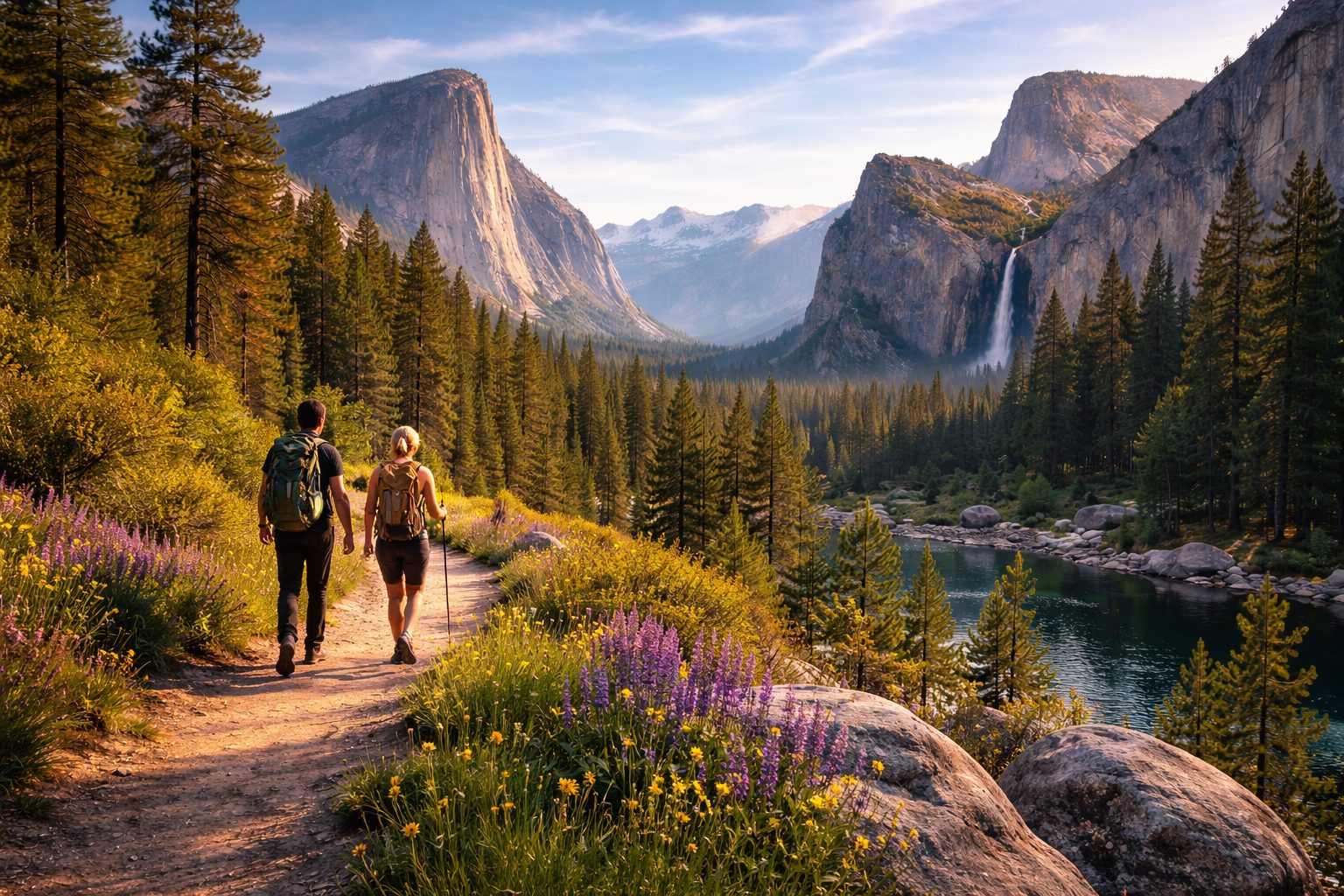
From gentle valley walks to challenging backcountry routes, Yosemite offers hundreds of miles of trails. Popular options include the Mist Trail, Mirror Lake Trail, and Cathedral Lakes Trail.
Family-Friendly Activities
Families visiting Yosemite while one member fishes can enjoy:
• Ranger-led nature programs
• Junior Ranger activities
• Horseback riding tours
• Photography workshops
• Waterfall and meadow picnics
• Museum and visitor center exhibits
Fish Fast N Easy Bubble System – Yosemite Application
Yosemite’s clear rivers and alpine lakes often require longer casts, natural drifts, and stealth presentations. The Fish Fast N Easy™ bubble system is especially effective in these conditions because it allows anglers to cast lightweight flies and small lures farther without heavy gear.
Why It Works in Yosemite
• Long Casts in Alpine Lakes – Reach drop-offs and deeper feeding zones without spooking trout.
• Adjustable Depth – Fill the bubble halfway for surface presentations or increase water volume to drift flies deeper along structure.
• Stealth Advantage – The clear bubble blends into Yosemite’s transparent waters.
• Lightweight & Packable – Ideal for anglers hiking into high-elevation lakes or backcountry streams.
Recommended Setups for Yosemite
Merced River (Valley Section)
Half-filled bubble with small nymphs or dry flies. Drift naturally through pocket water and slower pools.
Tuolumne River (High Country)
¾-filled bubble to reach deeper runs. Focus on seams and shaded areas.
Alpine Lakes (May, Gaylor, Cathedral)
¾ to full-fill setup with small streamers or wet flies. Work along drop-offs during early morning or evening.
Depth Adjustment Tip
If you don’t receive strikes within 10–15 minutes, adjust the bubble fill level before changing flies. Depth control is often the key factor in clear Sierra waters.
Wouldn’t you rather be catchin’ than fishin’?
SHARING IS CARING
FishingVacations.com Copyright 2019 - 2026