Indian Marina Inlet 

GET YOUR Delaware STATE FISHING LICENSE HERE.

Fishing in Delaware: Top 10 Destinations, Species & Travel Guide

Fishing in Delaware is defined by proximity. Within a short distance, anglers can move between freshwater ponds, tidal rivers, inland bays, and open ocean access. This combination creates one of the most accessible and diverse fishing environments on the East Coast.

Despite its small size, Delaware offers a wide range of fishing opportunities—from quiet inland ponds filled with bass and panfish to surf and offshore fishing for striped bass, flounder, and bluefish. The ability to shift between these environments quickly makes Delaware especially appealing for anglers who want variety without long travel times.

How Fishing Works in Delaware (What to Know Before You Go)

Fishing in Delaware is shaped by three main factors: tidal movement, seasonal runs, and location choice.

Tides Control Saltwater Fishing

In coastal and bay environments, tide movement is everything. Incoming and outgoing tides push baitfish through channels and inlets, triggering feeding activity from larger fish.

Anglers who fish around tide changes consistently outperform those who fish at random times.

Seasonal Runs Drive Opportunity

  • Spring → striped bass, shad, and early coastal action
  • Summer → flounder, bluefish, offshore species
  • Fall → some of the best striped bass fishing of the year
  • Winter → limited, but some holdover action remains

Timing matters more here than in many inland states.

Freshwater Offers Consistency

While saltwater fishing can be seasonal, inland ponds and lakes provide steady year-round action for bass, catfish, and panfish.

These areas are ideal when coastal conditions are less favorable.

Freshwater vs Saltwater: Choosing Your Approach

Delaware gives you two completely different fishing experiences:

Freshwater Fishing

  • Bass, perch, bluegill, catfish
  • Easier access and consistent action
  • Great for quick trips and beginners

Saltwater Fishing

  • Striped bass, flounder, bluefish, tautog
  • Surf, pier, jetty, and offshore options
  • Highly dependent on season and tides

Top Fish Species in Delaware (What You’ll Actually Target)

Delaware is not about chasing rare species—it’s about targeting fish that are active and available.

Freshwater Core

  • Largemouth bass
  • Bluegill
  • Crappie
  • Yellow perch
  • Catfish

Saltwater Core

  • Striped bass
  • Flounder
  • Bluefish
  • Black sea bass
  • Tautog

Types of Catch Available

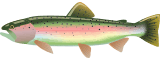
raindbow trout

Rainbow Trout

Largemouth Bass

Largemouth Bass

smallmouth bass

Smallmouth Bass

Striped Bass

walleye

Walleye

Carp

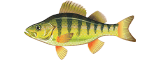
yellow perch

Yellow Perch

Bluegill

Bluegill

Crappie

Crappie

bullhead catfish

Bullhead Catfish

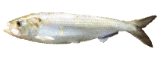
American Shad

Swordfish

Wahoo

Bluefish

Mahi Mahi

Bluefin Tuna

Yellowfin Tuna

pacific cod

Atlantic Cod

Red Drum

Black Drum

Halibut

rockfish

Rockfish

Black Sea Bass

c

Mackerel

Sailfish

Blue Marlin

State Fishing Records

Top 10 Fishing Spots Across Delaware

How to Choose Where to Fish in Delaware

Start with your goal—not the location.

  • Want easy, consistent action → inland ponds like Killens or Beck’s
  • Want surf fishing → beaches like Broadkill or 3R’s
  • Want variety and access → Indian River Marina
  • Want fly or river fishing → Delaware River or Brandywine Creek

Because distances are short, it’s easy to adjust if one location isn’t producing.

Killens Pond

Killens Pond

Killens Pond is one of the most consistent freshwater fisheries in Delaware, and its strength comes from how easy it is to pattern fish. At just 66 acres, it’s small enough to learn quickly but productive enough to deliver steady results.

Largemouth bass are the primary target, along with pickerel, perch, bluegill, and catfish. The key here is shoreline structure—bass tend to hold along weed edges, fallen timber, and transitions between shallow and slightly deeper water.

Soft plastics, small crankbaits, and live bait all produce well, but success often comes from slowing down and thoroughly working productive zones rather than constantly moving.

Because of its popularity, fishing pressure can build quickly, especially during weekends. Fishing early in the morning or later in the evening helps avoid both pressure and heat.

Killens Pond is ideal for anglers who want predictable, structure-based fishing where patience and positioning lead to consistent catches.


White Clay Creek

White Clay Creek

White Clay Creek is Delaware’s most reliable trout fishery, especially during spring stocking periods when fish are active and widely distributed.

Trout here tend to hold in slower-moving water—behind rocks, in pools, and along shaded banks where current brings food directly to them. Fishing too fast or focusing only on open water is a common mistake.

Fly fishing is highly effective, especially when matching insect hatches, but light spinning gear with small spinners or bait can also produce consistent results.

Spring is peak season, but fall can also be productive as trout become more aggressive before colder temperatures set in.

White Clay Creek is best suited for anglers who want focused trout fishing where presentation and reading water matter more than covering distance.


Indian River Marina

Indian River Marina

Indian River Marina is the most complete fishing hub in Delaware, offering access to offshore, inshore, and surf fishing within minutes.

Offshore, anglers target tuna, marlin, and wahoo, where trolling and deep-water techniques dominate. Inshore and inlet fishing focuses more on flounder, striped bass, bluefish, and sea bass.

Flounder fishing is often most productive when drifting sandy bottom areas near structure, while striped bass and bluefish respond to moving bait during tide changes.

The biggest mistake here is not adjusting to conditions—this is a location where weather, current, and season dictate everything.

Indian River Marina is ideal for anglers who want maximum variety and the ability to shift between multiple fishing styles depending on conditions.


Cape Henlopen Pier

Cape Henlopen Pier

Cape Henlopen Pier is one of the most reliable shoreline saltwater fishing locations in Delaware, largely because it provides access to deeper water and structure without requiring a boat.

Flounder tend to hold tight to the pilings, sitting on the bottom waiting to ambush bait. Fishing close to structure is far more effective than casting long distances. Bucktails tipped with bait or bottom rigs are consistently productive.

Striped bass and bluefish move through seasonally and are most active during tide changes, when current pushes baitfish through the area. Fishing slack tide is a common mistake—movement is key.

Night fishing can be especially productive, as larger fish move closer to structure under lower light conditions.

Cape Henlopen Pier is best for anglers who want high-percentage fishing by targeting structure and timing their efforts around tidal movement.


Broadkill Beach

Broadkill Beach

Broadkill Beach offers a quieter surf fishing experience where success comes from reading the water rather than relying on crowd patterns.

Striped bass, bluefish, and black drum are the main targets. Fish tend to hold in troughs, cuts, and areas where waves break unevenly—these are natural feeding lanes.

Casting straight out into featureless water is a common mistake. Instead, anglers should look for structure in the surf—darker water, breaks in waves, or subtle channels.

Fishing is best during moving tides, especially early morning or evening when fish move closer to shore.

Broadkill Beach is ideal for anglers who want less pressure and are willing to read the surf to find productive zones.


3 R's Beach

3R's Beach

3 R’s Beach is one of Delaware’s top surf fishing spots for targeting striped bass, including trophy-sized fish.

The key here is positioning. Striped bass often cruise parallel to shore, especially during active tides, so casting distance matters less than placing bait in the right lane.

Chunk bait and natural presentations tend to produce the best results, particularly during spring and fall runs.

Anglers often make the mistake of constantly recasting instead of letting bait sit in productive zones where fish are moving.

This is a location where patience pays off, especially when targeting larger fish.

3 R’s Beach is best suited for anglers who are focused on striped bass and willing to wait for quality over quantity.


Bubblegum Beach

Bubblegum Beach

Bubblegum Beach offers a slightly more aggressive surf fishing experience, with opportunities to target flounder, striped bass, and even larger species depending on conditions.

Flounder tend to hold along the bottom near structure and depth changes, making slow presentations along the seabed critical. Fishing too fast or too high in the water column reduces success significantly.

Striped bass and other predators move through the area following bait, particularly during tide changes.

Because larger fish are common here, having gear capable of handling heavier loads is important.

Bubblegum Beach is ideal for anglers looking for a chance at bigger fish and a more active, structure-focused surf fishing experience.


Delaware River

Delaware River

The Delaware River offers a more technical and varied fishing experience, combining freshwater species with seasonal migratory fish.

Trout fishing is strongest in cooler sections and during spring and fall. Fish tend to hold in current seams, deeper pools, and behind structure where they can conserve energy while feeding.

Fly fishing is highly effective, especially when matching hatch conditions, but spin fishing can also produce results when working slower water.

Water level and current play a major role here—fishing during stable conditions is significantly more productive than during high flow periods.

The Delaware River is best suited for anglers who enjoy reading moving water and adapting to changing river conditions.


Brandywine Creek

Brandywine Creek

Brandywine Creek is a highly accessible and productive freshwater fishery that rewards anglers who focus on structure and flow.

Smallmouth bass are a primary target, often holding near rocks, current breaks, and submerged wood. Panfish and trout are also present, especially in slower sections.

Kayak fishing is particularly effective, allowing anglers to move between productive zones without spooking fish.

Casting into faster current is less effective than targeting edges where current slows and food collects.

Brandywine Creek is ideal for anglers who want steady action in a river environment without needing advanced techniques.


Beck's Pond

Beck's Pond

Beck’s Pond is one of the best locations in Delaware for targeting largemouth bass, especially for anglers willing to fish patiently and focus on structure.

Bass tend to hold near vegetation, submerged cover, and transitions between shallow and deeper water. Soft plastics and slow presentations often outperform faster-moving lures.

Fishing pressure and regulations help maintain healthy fish populations, but they also mean fish can be more cautious.

Working an area thoroughly rather than constantly moving increases success, especially when targeting larger bass.

Beck’s Pond is best suited for anglers who want a focused bass fishing experience where patience and precision lead to better results.


Best Time to Fish in Delaware

  • Spring: Striped bass and river fishing peak
  • Summer: Offshore and surf fishing shine
  • Fall: Excellent striper and coastal action
  • Winter: Limited, but some freshwater options remain
>