Chattahoochee River Columbus, Georgia

GET YOUR GEORGIA FISHING LICENSE HERE

Fishing in Georgia: Top 10 Destinations, Species & Travel Guide

Fishing in Georgia offers one of the most balanced freshwater and saltwater experiences in the Southeast. From mountain trout streams in the north to tidal marshes and coastal fisheries along the Atlantic, the state gives anglers access to multiple distinct fishing environments within a relatively compact region.

What makes Georgia stand out is its range without complexity. You can target trout in cold mountain rivers, bass in large reservoirs, or redfish along the coast—all without traveling extreme distances.

For anglers who want variety without the overwhelming scale of states like Florida, Georgia is one of the most practical and productive places to fish.

How Fishing Works in Georgia (What to Know Before You Go)

Fishing in Georgia is shaped by three main factors: region, water type, and seasonal movement.

North vs South Changes Everything

  • North Georgia → trout streams, cooler water, mountain rivers
  • Central Georgia → reservoirs and bass fishing
  • South Georgia / Coast → tidal rivers, marshes, saltwater species

Choosing the right region matters more than anything else.

Structure Drives Freshwater Fishing

In lakes and reservoirs:

  • Fish hold near docks, timber, and drop-offs
  • Depth changes throughout the day and season
  • Bass fishing is heavily pattern-based

Tides Control Coastal Fishing

Along the coast:

  • Redfish, trout, and flounder follow moving water
  • Tidal creeks and marsh edges are key zones
  • Fishing slack tide is one of the biggest mistakes

Top Fish Species in Georgia (What You’ll Actually Target)

Freshwater Core

  • Largemouth bass
  • Spotted bass
  • Striped bass
  • Crappie
  • Catfish
  • Bluegill

Trout (North Georgia)

  • Rainbow trout
  • Brown trout

Saltwater Core

  • Redfish (red drum)
  • Speckled trout
  • Flounder
  • Sheepshead
  • Tarpon (seasonal)

Types of Catch Available

Largemouth Bass

Largemouth Bass

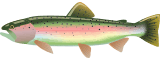
raindbow trout

Rainbow Trout

bullhead catfish

Bullhead Catfish

Striped Bass

Halibut

Bluegill

Bluegill

Grouper

grayling

Grayling

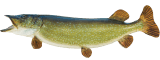
northern pike

Muskie

rockfish

Rockfish

sheefish

Sheefish

pacific cod

Pacific Cod

Georgia State Fishing Records

How to Choose Where to Fish in Georgia

Start with your goal:

  • Want trout → North Georgia rivers (Chattahoochee)
  • Want bass → lakes like Lanier, Oconee, Seminole
  • Want multi-species freshwater → Allatoona, Clarks Hill
  • Want saltwater → St. Simons Island or coastal marshes
  • Want something unique → Flint River (shoal bass)

Georgia rewards anglers who match:

location + species + season

Top 10 Fishing Spots Across Georgia

Chattahoochee River

The Chattahoochee River

The Chattahoochee River is the backbone of trout fishing in Georgia, especially in the colder tailwater sections below Buford Dam. This stretch maintains consistently cool temperatures, creating ideal conditions for rainbow and brown trout year-round.

Trout here hold in current seams, deeper pools, and behind structure where food flows naturally toward them. Fishing too fast or ignoring slower water is a common mistake.

Fly fishing is highly effective, particularly with nymphs and small patterns that match insect hatches. Light spinning gear with small lures can also produce results.

Striped bass move into certain sections seasonally, especially during warmer months, often holding in deeper holes and near creek mouths.

This river is best suited for anglers who want technical trout fishing with consistent water conditions and strong year-round potential.


Clarks Hill Lake

Clarks Hill Lake

Clarks Hill Lake is one of the largest and most productive reservoirs in Georgia, offering massive water coverage and multiple fishing patterns.

Striped bass and hybrid bass are major draws, often feeding in open water. Drifting live bait or targeting schooling fish is one of the most effective approaches.

Largemouth bass and crappie tend to hold around structure—brush piles, docks, and submerged cover. Depth changes with season, making adaptability key.

Because of its size, covering water efficiently is important. Anglers who stay mobile tend to outperform those who fish one area too long.

Clarks Hill is ideal for anglers who want big water, multiple species, and the ability to chase actively feeding fish.


Lake Oconee

Lake Oconne

Lake Oconee is one of Georgia’s most consistent bass fisheries, offering predictable seasonal patterns and strong fish populations.

Bass fishing here revolves around structure—docks, rocky banks, and submerged timber. In spring, shallow water dominates, while summer and winter push fish deeper.

Spinnerbaits, crankbaits, and soft plastics are all effective, but matching depth to season is critical.

Catfish and crappie provide additional options, especially for anglers targeting steady action rather than trophy fish.

Lake Oconee is best suited for anglers who want reliable bass fishing where understanding seasonal patterns leads to consistent success


Lake Allatoona

Lake Allatoona

Lake Allatoona offers a balanced fishery with strong populations of bass, catfish, crappie, and hybrid species.

Spotted bass are especially common here, often holding in deeper water and along rocky structure. Largemouth bass tend to stay closer to cover like docks and vegetation.

Fishing success often depends on adjusting depth and presentation throughout the day. Early morning topwater action can be strong, while deeper presentations work better as the day progresses.

Allatoona is a good choice for anglers who want variety and a lake that rewards adjusting tactics rather than sticking to one approach.


St. Simons Island

Saint Simons Island

St. Simons Island is one of Georgia’s top coastal fishing destinations, offering access to marshes, tidal creeks, and nearshore waters.

Redfish are the primary target, especially along marsh edges and shallow flats where they feed during moving tides. Speckled trout and flounder are also common.

Fishing success here depends heavily on tide timing. Fish move with the water, so being in the right place at the right stage of the tide is critical.

Tarpon move through the area seasonally, providing opportunities for larger game fish.

St. Simons Island is ideal for anglers who want classic coastal fishing with strong tidal influence and multiple species opportunities.


Lake Seminole

Lake Seminole

Lake Seminole is one of the best bass fishing lakes in the Southeast, known for its heavy vegetation and structure-rich environment.

Largemouth bass dominate here, often holding in grass beds, timber, and shallow flats during early and late hours. As temperatures rise, fish move into deeper channels.

Topwater baits work well during low light, while deeper presentations become more effective during the day.

Bird activity can often signal baitfish schools, helping anglers locate feeding fish.

Lake Seminole is best suited for anglers who want aggressive bass fishing in a structure-heavy environment with strong trophy potential.


Lake Lanier

Lake Lanier

Lake Lanier is one of Georgia’s most well-known fishing lakes, particularly for spotted bass and striped bass.

Spotted bass tend to hold in deeper water and around rocky structure, requiring more precise presentations. Striped bass often chase bait in open water, making them a more mobile target.

Live bait and trolling are common techniques, especially when targeting stripers.

Because of fishing pressure, subtle presentations and understanding fish movement patterns can make a big difference.

Lake Lanier is ideal for anglers who want a challenge and are willing to adjust techniques to target pressured fish.


Flint River

Flint River

The Flint River is one of the most unique fisheries in Georgia and is the primary habitat of the shoal bass—a species found almost exclusively in this system.

Shoal bass prefer rocky shoals and moving water, making them different from typical lake bass. Wading and casting into current breaks is one of the most effective approaches.

Plastic worms and topwater baits work well, especially during warmer months.

The river also supports catfish, crappie, and panfish, but shoal bass are the main attraction.

The Flint River is best suited for anglers who want a unique, species-specific fishing experience in moving water.


Big Lazer Creek

Big Lazer Creek

Big Lazer Creek offers a smaller, highly productive freshwater fishery with strong populations of bass, crappie, bluegill, and catfish.

Structure is key here—standing timber, fish attractors, and shoreline cover all create productive zones.

Topwater fishing can be effective early in the day, while slower presentations work better around thicker cover later.

Because of its size, this is a lake where thoroughly working areas produces better results than covering large distances.

Big Lazer Creek is ideal for anglers who want consistent action in a controlled environment where structure-based fishing dominates.


Flat Creek

Flat Creek

Flat Creek is one of the best locations in Georgia for targeting bream and panfish, particularly during spawning periods.

Bluegill and redear sunfish move into shallow areas to bed during warmer months, making them easy to locate and target.

Live bait such as worms and crickets is highly effective, especially when fished slowly near bedding areas.

Bass and catfish are also present, particularly in deeper water during summer.

Flat Creek is best suited for anglers who want high-action fishing focused on panfish with simple, effective techniques.

>