Top 10 Fishing Destinations in Indiana

Fishing in Indiana: What Makes This State Unique

Indiana is one of the most overlooked fishing states in the Midwest—and that’s exactly why it produces such consistent results.

What makes Indiana different isn’t just the number of lakes and rivers—it’s the variety of fisheries packed into a relatively small area. You have:

  • Great Lakes access (Lake Michigan)
  • Large flood-control reservoirs
  • Natural glacial lakes in the north
  • Slow-moving rivers and fertile creek systems

That diversity means one thing: you can fish multiple styles, species, and conditions without ever leaving the state.

For anglers who understand how to adjust their approach, Indiana quietly becomes a high-opportunity state for both numbers and quality fish.

How Fishing Works in Indiana (What Most People Miss)

Indiana fishing is not about finding a good lake—it’s about choosing the right type of water for your target species and season.

Northern Indiana

  • Dominated by natural lakes
  • Clearer water, weed-heavy structure
  • Strong for: bass, bluegill, perch, pike

Central Indiana

  • Mix of reservoirs and smaller lakes
  • More pressure, but still productive
  • Strong for: crappie, bass, catfish

Southern Indiana

  • Larger reservoirs and river systems
  • More stained water, timber, and structure
  • Strong for: bass, stripers, catfish

Lake Michigan (Northwest)

  • Completely different fishery
  • Cold water, open water, seasonal runs
  • Strong for: salmon, trout, steelhead
  • The biggest mistake anglers make in Indiana is using the same approach everywhere.
    Each region fishes differently—and success depends on recognizing that quickly.

Species You Can Target in Indiana

Indiana offers a deep and diverse species list, giving anglers year-round opportunities.

Key species include:

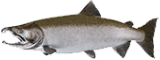
  • Salmon (Chinook, Coho)
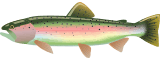
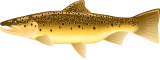
  • Trout (Rainbow, Brown, Brook)
  • Largemouth & Smallmouth Bass
  • Walleye
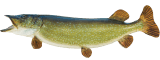
  • Northern Pike & Muskie
  • Crappie & Bluegill
  • Catfish (Channel, Bullhead)
  • Yellow Perch
  • Striped & White Bass
  • Carp and panfish species

Your original list is strong—we’re keeping it—but now it’s framed in a way that helps anglers understand what actually matters


Types of Catch Available

Content

chinook salmon

Chinook Salmon

pink salmon

Pink Salmon

coho salmon

Coho Salmon

Atlantic Salmon

raindbow trout

Rainbow Trout

brown trout

Brown Trout

brook trout

Brook Trout

northern pike

Muskie

Largemouth Bass

Largemouth Bass

smallmouth bass

Smallmouth Bass

Striped Bass

White Bass

White Bass

spotted bass

Spotted Bass

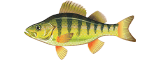
yellow perch

Yellow Perch

Whitefish

walleye

Walleye

bullhead catfish

Bullhead Catfish

Crappie

Crappie

Pumpkinseed Sunfish

Bluegill

Bluegill

Carp

State Fishing Records

How to Choose the Right Spot in Indiana

Instead of just picking a lake, use this approach:

  • Want numbers and easy action → small lakes, panfish-heavy waters
  • Want trophy bass → reservoirs with structure and pressure
  • Want variety → Monroe, Patoka, Geist
  • Want cold-water species → Lake Michigan
  • Want low pressure → rivers like the Eel or smaller lakes

This decision-making layer is what separates successful trips from frustrating ones.

Top 10 Fishing Spots Across Indiana

The Mighty Lake Michigan

The Mighty Lake Michigan

Lake Michigan is Indiana’s only true big-water fishery, and it operates completely differently than the rest of the state.

This is where you target salmon and trout—Chinook, Coho, steelhead, and lake trout—often in open water or along seasonal shore runs. Fish movement is driven by temperature, baitfish, and seasonal migration rather than structure alone.

From late spring through summer, trolling offshore produces the best results. In fall and winter, shoreline opportunities improve, especially for Coho and steelhead.

Boat access or charter fishing significantly increases success, but shoreline anglers can still produce during peak runs.

Lake Michigan is best suited for anglers who want larger fish, open-water strategy, and seasonal precision rather than simple structure fishing.


Hobart’s Lake George Dam

Hobart’s Lake George Dam

Lake George offers one of the most accessible and diverse fisheries in northern Indiana, with consistent action across multiple species.

Bass, bluegill, carp, and catfish dominate, but the real strength here is the variety—fish are spread across vegetation, shoreline cover, and open pockets.

The most consistent approach is fishing natural bait or simple presentations around structure, especially near vegetation edges.

Because of its accessibility and layout, it supports both casual anglers and more experienced fishermen looking for steady action.

Lake George is ideal for anglers who want reliable multi-species fishing without needing complex strategy or equipment.


Monroe Lake

Monroe Lake

Monroe Lake is Indiana’s largest reservoir and one of its most complete fisheries, offering size, variety, and year-round opportunity.

Bass, crappie, bluegill, catfish, and walleye all thrive here, with fish holding around submerged timber, coves, and structural transitions.

The key to success is adjusting depth and location based on season—shallow in spring, deeper structure in summer, and transitional zones in fall.

Because of its size, anglers who move and locate fish outperform those who stay in one area.

Monroe Lake is best suited for anglers who want a full-scale reservoir fishery where adapting to conditions consistently produces results.


Eel River

Eel River

The Eel River offers a completely different experience from Indiana’s lakes, with moving water, natural structure, and lower fishing pressure.

Smallmouth bass, channel catfish, rock bass, and bluegill are common, holding in current seams, deeper holes, and along structure where water slows.

Success depends on reading the river—fish position themselves where they can feed efficiently without fighting current.

Kayak access significantly improves reach, especially in less pressured stretches.

The Eel River is ideal for anglers who want active fishing, moving water, and a more natural, less crowded environment.


The State Park at Potato Creek

Potato Creek State Park (Worster Lake)

Worster Lake provides a structured, manageable fishery with strong populations of bass, catfish, and crappie.

Fish relate heavily to shoreline structure, drop-offs, and vegetation, making targeted presentations more effective than covering water randomly.

One of the biggest factors here is wind—gusty conditions can impact boat control and positioning, directly affecting success.

Fishing protected areas and adjusting positioning based on wind direction is critical.

Worster Lake is best for anglers who want consistent structure fishing in a controlled environment with strong camping access.


Summit Lake State Park

Summit Lake State Park

Summit Lake offers a balanced fishery that changes significantly with the seasons, making adaptability essential.

Bass are active during warmer months, holding near structure and feeding aggressively. In winter, the lake becomes a strong ice fishing destination, especially for yellow perch.

The lake’s layout allows for multiple access points, but success depends on adjusting approach based on seasonal behavior rather than fishing it the same way year-round.

Summit Lake is ideal for anglers who want a year-round fishery that rewards seasonal awareness and flexibility.


Geist Reservoir

Geist Reservoir

Geist Reservoir is a high-pressure fishery near a metropolitan area, but it continues to produce for anglers who fish it strategically.

Crappie, carp, and bass are present, with fish activity often peaking during low-light periods—early morning, late afternoon, and after dark.

Because of pressure, fish become conditioned, making timing more important than location alone.

Fishing outside peak hours and focusing on structure improves success.

Geist Reservoir is best suited for anglers who understand how to adjust for pressure and fish when others aren’t.


Patoka Lake

Patoka Lake

Patoka Lake is one of Indiana’s most productive reservoirs, known for its structure, size, and strong bass population.

Largemouth bass, stripers, crappie, bluegill, and catfish all thrive here, with fish concentrating around timber, submerged structure, and transitional zones.

The dense timber and structure create ideal ambush zones, making slower, more deliberate presentations more effective than aggressive approaches.

Patoka consistently produces for anglers who focus on structure rather than open water.

It’s best suited for anglers looking for serious bass fishing and a reservoir that rewards precision over speed.


Winona Lake

Winona Lake

Winona Lake is a well-known bass fishery that consistently produces quality fish, including 5–6 pound largemouth.

Fishing pressure can be high during peak seasons, but bass remain active throughout the year.

The key to success is avoiding heavily pressured times and targeting less crowded windows.

Structure fishing remains consistent, but timing plays a major role in overall success.

Winona Lake is ideal for anglers who want consistent bass fishing and are willing to adjust timing to avoid pressure.


Lake Maxinkuckee

Lake Maxinkuckee

Lake Maxinkuckee is Indiana’s second-largest natural lake and one of its most reliable fisheries for perch and multi-species action.

Perch fishing stands out, especially during winter when ice fishing becomes highly productive. Walleye, bluegill, crappie, and white bass add to the diversity.

Fish move between depths depending on season, making depth control and location adjustments critical.

The lake’s size and structure provide consistent opportunity across multiple species.

Lake Maxinkuckee is best suited for anglers who want a natural lake system with strong seasonal fishing, especially in winter.


How to Fish Indiana More Effectively (Real Strategy)

To consistently catch fish in Indiana:

  • Match your location to your target species
  • Adjust for season and water type
  • Fish structure, not just water
  • Avoid peak pressure times when possible

Indiana rewards anglers who:

  • Adapt quickly
  • Pay attention to conditions
  • Fish with intention
  • Best Time to Fish in Indiana

    Indiana is a four-season fishing state, but success depends heavily on timing and location.

    Spring

    • One of the best times statewide
    • Fish move shallow and become aggressive
    • Bass, crappie, and walleye peak

    Summer

    • Early morning and late evening dominate
    • Fish move deeper or into heavy cover
    • Great for panfish and night catfishing

    Fall

    • Underrated prime season
    • Fish feed aggressively before winter
    • Excellent for bass, salmon (Lake Michigan), and walleye

    Winter

    • Ice fishing becomes a major opportunity
    • Northern lakes shine for perch, bluegill, and crappie
>