






Kentucky State Fishing Records
| SPECIES | WEIGHT | CAUGHT BY | LOCATION | DATE |
| Ancient Fish | ||||
| Bowfin | 15.08 lbs. | Norman Moran | Green River | 5/31/1999 |
| Lexington, KY | ||||
| Longnose Gar | 40 lbs. | Kelsie Travis, Jr. | Ohio River | 8/8/1956 |
| Paducah, KY | ||||
| Paddlefish (Spoonbill) | 106 lbs. | William Chumbler | Ohio River | 3/23/2004 |
| Calvert City, KY | ||||
| Spotted Gar | 4 lbs., 7 ozs. | Jonathan Huether | Kentucky Lake | 7/20/2014 |
| Mt. Washington, KY | ||||
| Sturgeon | 36 lbs., 8 ozs. | Barney Frazier | Lake Cumberland | 10/3/1954 |
| Corbin, KY | ||||
| Bass, Black | ||||
| Coosa Bass | 1.21 lbs. | Seth Goodin Smith, KY | Martin’s Fork, Cumberland River | 5/25/2013 |
| Kentucky Bass (Spotted Bass) | 7 lbs., 10 ozs. | A.E. Sellers | Nelson County | 6/13/1970 |
| Louisville, KY | ||||
| Largemouth Bass | 14 lbs., 9.5 ozs. | Mark Ward | Highsplint Lake | 4/19/2019 |
| Evarts, KY | ||||
| Smallmouth Bass | 11 lbs., 15 ozs.* | David L. Hayes | Dale Hollow Lake | 7/9/1955 |
| Leitchfield, KY | ||||
| Bass, Temperate | ||||
| Striped Bass (Rockfish) | 58 lbs., 4 ozs. | Roger Foster, | Beaver Creek | ######## |
| Somerset, KY | Lake Cumberland | |||
| Hybrid Striped Bass | 20 lbs., 8 ozs | Mark Wilson | Barren River Lake | 4/27/1991 |
| Louisville, KY | Tailwaters | |||
| White Bass | 5 lbs. (TIE) | Lorne Eli | Kentucky Lake | 7/11/1943 |
| Dawson Springs, KY | ||||
| B.B. Hardin | Herrington Lake | 6/3/1957 | ||
| Mt. Eden, KY | ||||
| Yellow Bass | 1 lb., 6.4 ozs. | William Hinton | Cumberland River | 3/19/2009 |
| Central City, KY | Lake Barkley Tailwaters | |||
| Carp/Sucker | ||||
| Bighead Carp | 64 lbs. | Drew Fulmer | Jonathan Creek | 7/19/2010 |
| Florence, KY | Kentucky Lake | |||
| Creek Chub | 0.59 lbs. | Joshua Scott | Otter Creek | 3/26/2006 |
| Louisville, KY | Hardin County | |||
| Blue Sucker | 8.34 lbs. | Stacy L. Boik | Ohio River | ######## |
| Evansville, IN | ||||
| Northern Hog Sucker | 1 lbs., 12 ozs. | Larry Salchli | Slate Creek | 4/7/2005 |
| Stanton, KY | Bath County | |||
| Buffalo (Smallmouth) | 55 lbs. | Clinton Roby | Kentucky Lake | 3/23/2000 |
| Waddy, KY | ||||
| Common Carp | 54 lbs., 14 ozs. | Ricky Vance | South Fork | 3/13/1971 |
| Paris, KY | Licking River | |||
| Golden Redhorse | 4 lbs., 5 ozs. | Leif Meadows | Red River | 4/22/1998 |
| Stanton, KY | ||||
| Grass Carp | 58 lbs., 8ozs. | Robert Marsh | Forest Lawn Lake, | 6/17/2009 |
| Erlanger, KY | Kenton County | |||
| River Redhorse | 9 lbs., 1 oz. | Denny Hatfield. | Rockcastle River, | 9/20/2003 |
| London, KY | Laurel County | |||
| Silver Redhorse | 5 lbs., 6 ozs. | Justin Collins | Rockcastle River, | 4/17/2010 |
| London, KY | Laurel County | |||
| White Sucker | 1.63 lbs. | Larry S. Salachi | Slate Creek, | 3/19/1998 |
| Stanton, KY | Montgomery County | |||
| Silver Carp | 13 lbs., 5 ozs. | Dustin Fitzgerald Gilbertsville, KY | Cumberland River | 2/21/2017 |
| Bluntnose Minnow | 0.01 lbs. | Andy Pelphrey | Hood Creek, | 6/17/2008 |
| Stambaugh, KY | Lawrence County | |||
| Golden Shiner | 0.31 lbs. | Brent Pierick | Kentucky Lake | 6/24/2014 |
| O’Fallon, MO | ||||
| Spottail Shiner | 0.01 lbs. | Andy Pelphrey | Paintsville Lake | 6/21/2013 |
| Stambaugh, KY | ||||
| Striped Shiner | 0.16 lbs. | Joseph Johnson | Beargrass Creek, | 4/1/2019 |
| Louisville, KY | Jefferson County | |||
| Blacknose Dace | 0.008 lbs. | Andy Pelphrey | Hood Creek, | 6/21/2008 |
| Stambaugh, KY | Lawrence County | |||
| Catfish | ||||
| Blue Catfish | 106.9 lbs. | Glynn Grogan | Ohio River | ######## |
| Arlington, KY | ||||
| Bullhead Catfish | 5 lbs., 8 ozs. | Randy Kirk Maysville, KY | Private Pond, Mason County | 7/6/2013 |
| Channel Catfish | 32 lbs. | Kyle Estep | Ohio River, | 5/26/2004 |
| South Point, Ohio | Boyd County | |||
| Flathead Catfish | 97 lbs. | Esker Carroll | Green River | 6/6/1956 |
| White Catfish | 5.27 lbs. | Ethen Vest | Guist Creek Lake | ######## |
| Frankfort, KY | ||||
| Drum | ||||
| Freshwater Drum | 38 lbs. | Larry Cardwell | Green River | 6/5/1980 |
| Morgantown, KY | ||||
| Herring | ||||
| Skipjack Herring | 3.10 lbs. | Joey Dixon | Ohio River, | 4/14/2006 |
| Elizabethtown, KY | Cannelton Tailwater | |||
| Gizzard Shad | 4.08 lbs. | Carl Rowe | Ohio River, | 5/24/2009 |
| Greenup L & D | ||||
| Mooneye | ||||
| Goldeye | 2 lbs, .64 ozs. | Mark Smith | Kentucky River | 4/21/2001 |
| Lexington, KY | ||||
| Mooneye | 0.36 lbs | Gerald Gallagher Louisville, KY | Ohio River | 8/15/2019 |
| Perch | ||||
| Sauger | 7 lbs., 7 ozs. | Rastie Andrew | Cumberland River, | 4/28/1983 |
| Jamestown, KY | Lake Cumberland Tailwaters | |||
| Saugeye | 8 lbs., 8.8 ozs. | Clay Smith | Cumberland River tailwater, | 5/21/2019 |
| Lexington, KY | Russell County | |||
| Walleye | 21 lbs., 8 ozs. | Abe Black | Lake Cumberland | 10/1/1958 |
| Shaker Heights, OH | ||||
| Logperch | 0.08 lbs. | Marietta Strange Louisville, KY | Lake Barkley | 11/4/2013 |
| Yellow Perch | 1 lb., 7 ozs. | Klint Thaxton | Cozy Cove Lodge, | 3/12/2010 |
| Ashland, IL | Kentucky Lake | |||
| Pike | ||||
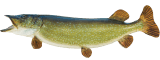
| Chain Pickerel | 5 lbs., 6 ozs. | Tommy Thompson | Forked Lake, | 7/8/1983 |
| Bardwell, KY | Carlisle County | |||
| Grass Pickerel | 0.63 lbs. | Gerald Gallagher | Wilson Creek, | 7/17/1989 |
| Louisville, KY | Bullitt County | |||
| Muskellunge | 47 lbs. | Sarah K. Terry | Cave Run Lake | 11/2/2008 |
| Mt. Sterling, KY | ||||
| Northern Pike | 10.53 lbs. | Derek Cowden | Laurel River Lake | ######## |
| Corbin, KY | ||||
| Tiger Muskie (Muskellunge Hybrid) | 19 lbs., 9 ozs. | Wayne Joslin | Private Lake, | 4/25/2007 |
| Winchester, KY | Clark County | |||
| Sunfish | ||||
| Bluegill | 4 lbs., 3 ozs. | Phil Conyers | Strip mine lake | 8/5/1980 |
| Madisonville, KY | Hopkins County | |||
| Crappie (White or Black) | 4 lbs., 14 ozs. | Penny Hopper | Watershed Lake | 5/8/2005 |
| Crofton, KY | Christian County | |||
| Green Sunfish | 1 lb., 9.44 ozs. | David Gibson Hawesville, KY | Farm Pond, | 5/20/2013 |
| Hancock County | ||||
| Longear Sunfish | 13.28 ozs. | Anthony Lynch | Strip mine pond | 6/23/1994 |
| Salyersville, KY | Magoffin County | |||
| Redbreast Sunfish | 0.88 lbs. | Tim King | Marsh Creek | 9/1/1997 |
| Stearns, KY | McCreary County | |||
| Redear Sunfish (Shellcracker) | 3 lbs., 1 oz. | Betty Truax | Farm Pond | 5/24/1982 |
| Finchville, KY | Shelby County | |||
| Rock Bass | 1 lb., 10 ozs. | H.S. White | Casey Creek | 5/26/1975 |
| Cadiz, KY | Trigg County | |||
| Warmouth | 1 lb., 6.2 ozs. | Jon Hoover | Private Pond | 7/21/2003 |
| Louisville, KY | Jefferson County | |||
| Trout | ||||
| Brook Trout | 3.65 lbs. | Wyatt Hoefer | Cumberland River, Lake Cumberland Tailwaters | 3/15/2015 |
| Louisville, KY | ||||
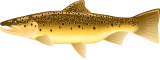
| Brown Trout | 21 lbs. | Thomas Malone | Cumberland River, | 4/30/2000 |
| Crofton, KY | Lake Cumberland Tailwaters | |||
| Lake Trout | 5 lbs., 5 ozs. | John McDonogh | Cumberland River, | 4/4/1983 |
| Jeffersontown, KY | Lake Cumberland Tailwaters | |||
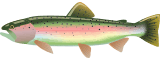
| Rainbow Trout | 14 lbs., 6 ozs. | Jim Mattingly | Cumberland River, | 9/10/1972 |
| Somerset, KY | Lake Cumberland Tailwaters | |||


