Babcock State Park West Virginia

GET YOUR STATE FISHING LICENSE HERE.

Fishing in West Virginia: Top 10 Destinations, Species & Travel Guide

Fishing in West Virginia is built around three core systems: mountain trout streams, river fisheries, and structured reservoirs. With thousands of miles of flowing water and a network of productive lakes, the state offers consistent fishing across multiple species without requiring long travel distances.

What makes West Virginia different is its river density. Productive water is everywhere, but success comes from understanding how fish relate to current, structure, and seasonal movement.

This is a state where:

success comes from reading water—not just finding it

How Fishing Works in West Virginia (What to Know Before You Go)

Fishing in West Virginia is driven by three key factors: current, structure, and water type.

Three Core Fishing Systems

  • Rivers & streams
    → trout, smallmouth bass
  • Reservoirs & lakes
    → bass, crappie, catfish, walleye
  • Mountain systems
    → cold-water trout fisheries

Each requires a different approach.

Current Controls Fish Position

In rivers:

  • Fish hold in seams
  • Deeper runs
  • Current breaks

Fishing random water is a common mistake.

Structure Drives Lake Fishing

In reservoirs:

  • Fish relate to points
  • Drop-offs
  • Vegetation
  • Channel edges

Top Fish Species in West Virginia (What You’ll Actually Target)

  • Rainbow trout
  • Brown trout
  • Brook trout
  • Smallmouth bass
  • Largemouth bass
  • Walleye
  • Crappie
  • Bluegill
  • Channel catfish
  • Flathead catfish
  • Muskellunge (select waters)

Best Time to Fish in West Virginia

  • Spring: Trout season and strong river fishing
  • Summer: Early/late bite, deeper water
  • Fall: Aggressive feeding
  • Winter: Limited but possible trout fishing

Types of Catch Available

Freshwater

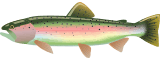
raindbow trout

Rainbow Trout

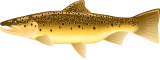
brown trout

Brown Trout

brook trout

Brook Trout

spotted bass

Spotted Bass

White Bass

White Bass

Largemouth Bass

Largemouth Bass

smallmouth bass

Smallmouth Bass

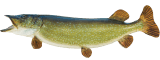
northern pike

Muskie

Striped Bass

Grass Carp

Crappie

Crappie

walleye

Walleye

bullhead catfish

Bullhead Catfish

Bluegill

Bluegill

Carp

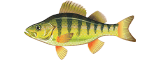
yellow perch

Yellow Perch

State Fishing Records

How to Choose Where to Fish in West Virginia

Start with your goal:

  • Want trout → mountain streams, Potomac tributaries
  • Want smallmouth → Shenandoah, Bluestone
  • Want bass → Stonewall Jackson, Summersville
  • Want multi-species → Cheat, Tygart
  • Want walleye → Jennings Randolph

West Virginia rewards anglers who:

match water type + structure + season

Top 10 Fishing Spots Across West Virginia

Shenandoah & Potomac Rivers

Shenandoah & Potomac Rivers

These rivers form the most important river fishing system in West Virginia, especially for smallmouth bass.

Fish hold along rock structure, seams, and deeper runs.

What separates this system is its smallmouth consistency—it produces strong river fishing across long stretches.

Best for anglers who want high-quality smallmouth fishing in a flowing river system.


Jennings Randolph Lake

Jennings Randolph Lake

Jennings Randolph Lake is one of the top walleye fisheries in West Virginia, with fish holding along structure and depth transitions.

Fish are concentrated in defined zones, making patterns easier to establish.

What separates Jennings Randolph is its walleye focus—it consistently produces stronger walleye fishing than most lakes in the state.

Best for anglers who want targeted walleye fishing in a reservoir system.


Cheat Lake

Cheat Lake

Cheat Lake is one of the most balanced multi-species fisheries in West Virginia, offering bass, crappie, and walleye.

Fish relate to structure, docks, and shoreline transitions.

What separates Cheat Lake is its variety—it produces across species without sacrificing consistency.

Best for anglers who want multi-species fishing in a structured lake.


Bluestone River

Bluestone River

The Bluestone River is one of the best smallmouth rivers in West Virginia, with fish holding in current seams, runs, and structure zones.

Seasonal trout stocking adds additional opportunity.

What separates the Bluestone is its flow—it fishes on current and structure rather than still-water patterns.

Best for anglers who want river fishing with strong smallmouth patterns.


North Bend Lake

North Bend Lake

North Bend Lake is a structured reservoir offering bass, crappie, and catfish.

Fish hold along vegetation, shoreline structure, and depth transitions.

What separates North Bend is its consistency—it produces steady fishing without requiring complex patterns.

Best for anglers who want reliable multi-species fishing in a lake setting.


Summersville Lake

Summersville Lake

Summersville Lake is the largest lake in West Virginia and one of the top smallmouth fisheries in the state.

Fish relate to rocky structure and deeper zones, especially in warmer months.

What separates Summersville is its smallmouth focus—it produces stronger smallmouth fishing than most lakes in the region.

Best for anglers who want targeted smallmouth fishing in a large reservoir.


Tygart Lake

Tygart Lake

Tygart Lake is one of the most consistent multi-species reservoirs in West Virginia, offering bass, crappie, and walleye.

Fish hold along structure and depth transitions.

What separates Tygart is its reliability—it produces steady results across seasons.

Best for anglers who want consistent fishing without needing to cover large water.


Stonewall Jackson Lake

Stonewall Jackson Lake

Stonewall Jackson Lake is one of the top bass fisheries in West Virginia, with strong largemouth populations.

Fish hold tight to structure and cover, creating defined zones.

What separates Stonewall Jackson is its bass identity—it produces higher-quality bass fishing than most nearby lakes.

Best for anglers who want focused bass fishing in a controlled system.


Plum Orchard Lake

Plum Orchard Lake

Plum Orchard Lake is a productive warm-water fishery offering bass, crappie, and catfish.

Fish hold near vegetation and structure, making them easier to locate.

What separates Plum Orchard is its productivity—it produces steady action without requiring advanced patterns.

Best for anglers who want consistent fishing with multiple species available.


Mountwood Park Lake

Mountwood Park Lake

Mountwood Park Lake is a compact, structured fishery with bass, trout, and panfish.

Fish are concentrated and easier to locate due to the lake’s size.

What separates Mountwood is its efficiency—you spend less time searching and more time catching.

Best for anglers who want quick, consistent fishing in a smaller lake system.


>